Operations Resources
Scheduling, staffing, venue management, and day-to-day operations.
Operations guides and articles

Teacher Management for Yoga Studios
Your teachers are your studio. Students come for the space, but they stay for the teachers. Losing a popular teacher can trigger a cascade of cancellations that takes months to recover from. Yet most yoga studio owners manage their teaching team with spreadsheets, WhatsApp, and hope. This guide covers how to build a teacher management system that supports your team, protects your business, and keeps your best people.

Teacher Cover and Substitute Management for Yoga Studios
A teacher calls in sick forty-five minutes before a packed vinyasa class. Your regulars are already on their way. The wrong substitute turns a loyal group into a wave of cancellations. This guide covers how to build a reliable cover system that protects your classes, your revenue, and your students' trust.

Building a Student Portal and Community for Yoga Studios
A student portal is not just a booking page. Done well, it becomes the digital heart of your yoga community, a place where students track their practice, discover new classes, connect with teachers, and feel like they belong. Done badly, it is a login screen that students forget exists. This guide covers how to build a portal that students actually use and that strengthens your business.

Multi-Style and Level Scheduling for Yoga Studios
Running a multi-style yoga studio means juggling wildly different requirements from one class to the next. A hot yoga class at forty degrees followed by a restorative yin session in the same room is a logistical nightmare without proper scheduling. This guide covers how to build a timetable that serves every style without burning out your team or your heating system.

Flexible Class Scheduling for Yoga Studios
Yoga studio scheduling is unlike any other activity business. You are managing recurring weekly classes, one-off workshops, multi-day retreats, teacher training intensives, and private sessions, all with different room requirements, different pricing, and different booking rules. This guide covers how to build a flexible scheduling system that handles all of it without drowning in admin.

Managing Drop-In and Membership Tracking for Yoga Studios
Yoga studios juggle more pricing models than almost any other activity business. Drop-ins, class packs, monthly unlimited, annual memberships, intro offers, corporate passes. Without proper tracking, revenue leaks through the cracks and students exploit gaps in your system. This guide covers how to build watertight membership management.

Weather-Dependent Rescheduling for Tennis Clubs
British weather and outdoor tennis have an uneasy relationship. Rain, frost, and high winds can wipe out entire coaching sessions, and how your club handles cancellations and rescheduling has a direct impact on member satisfaction, coach income, and programme continuity. This guide covers surface-specific policies, decision-making protocols, and make-up session management.

Waitlist and Make-Up Session Management for Tennis Clubs
Full coaching groups are a sign of success, but only if you handle the overflow well. A family turned away without a clear waitlist process is a family that goes to a competitor. A child who misses sessions without a make-up option is a family that questions the value of their coaching fees. This guide covers practical systems for waitlists, make-up sessions, and group rebalancing.
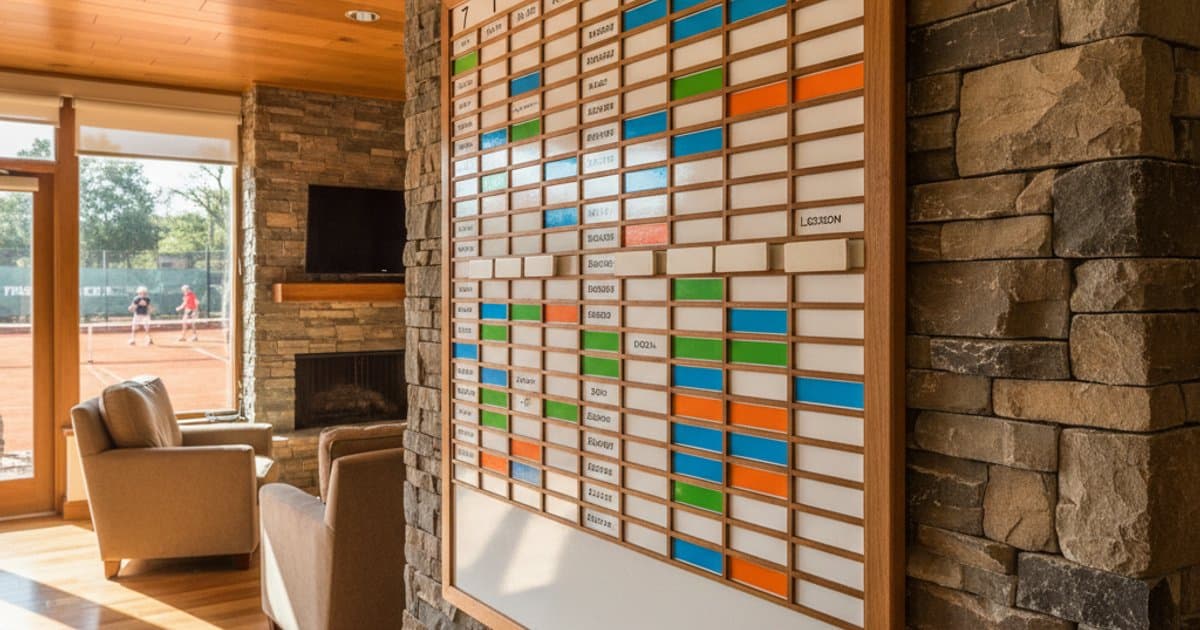
Smart Court Scheduling for Tennis Clubs
Court scheduling is the operational backbone of every tennis club. Get it right and your courts are full, your coaches are productive, your members are happy, and your surfaces last longer. Get it wrong and you waste capacity, damage courts, frustrate members, and lose revenue. This guide covers the principles and practicalities of smart court scheduling.

Managing Seasonal Membership Fluctuations in Tennis Clubs
Tennis participation in Britain follows a sharp seasonal curve. Wimbledon drives a summer surge, darker evenings trigger a winter drop-off, and clubs that do not plan for these fluctuations end up with overcrowded courts in July and empty ones in January. This guide covers practical strategies for smoothing the curve and retaining members year-round.

Building a Parent and Player Portal for Tennis Clubs
A parent and player portal transforms the relationship between your tennis club and its members. Instead of relying on coaches to relay information at the end of sessions, paper notices pinned to a board, and WhatsApp groups that quickly become chaotic, a portal gives every family a single place to see everything that matters. This guide covers what to include and how to make it genuinely useful.

Managing Court Booking Conflicts in Tennis Clubs
Court booking conflicts are one of the most common sources of friction in tennis clubs. When coaching programmes, social sessions, league matches, and court hire all compete for the same surfaces, disputes are inevitable unless you have clear systems in place. This guide covers priority frameworks, surface-specific rules, floodlight management, and dispute resolution.

Coach and Facility Management for Tennis Clubs
A tennis club is only as good as its coaches and its courts. If your coaches' qualifications lapse, your insurance may be void. If your courts deteriorate, members leave. If your equipment goes missing, sessions suffer. Yet many clubs manage these critical assets with spreadsheets, memory, and good intentions. This guide covers structured approaches to coach and facility management.
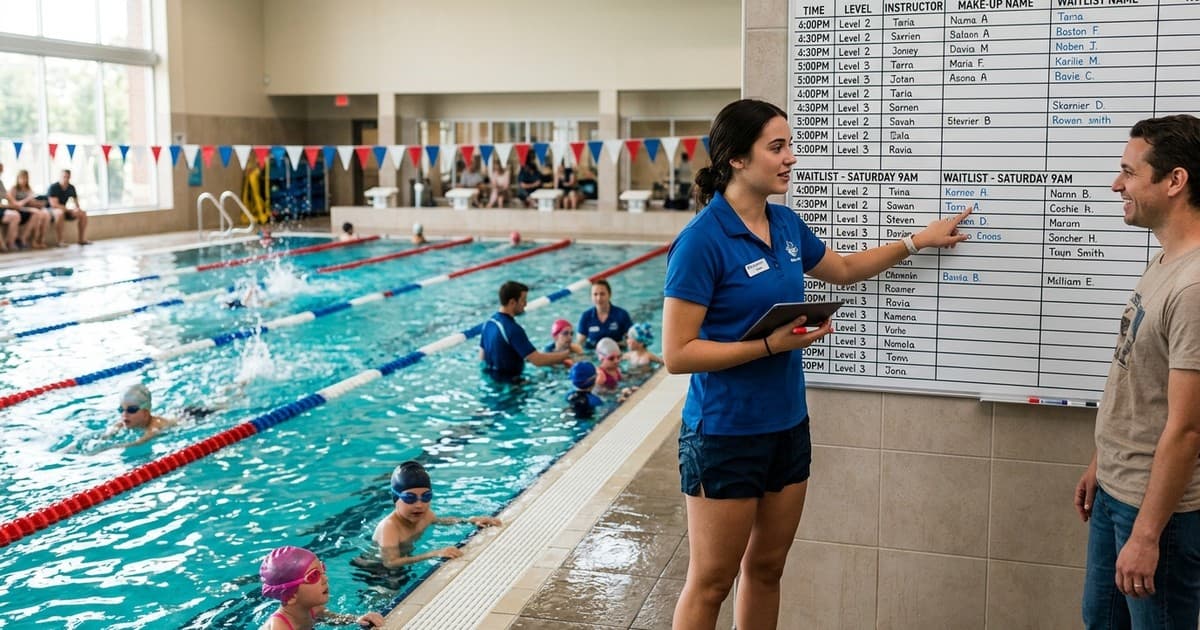
Waitlist and Make-Up Session Management for Swim Schools
A healthy waitlist is a sign of demand. A mismanaged waitlist is a source of lost revenue and frustrated families. This guide covers intelligent waitlist ranking, self-service make-up booking, credit policies, and how to turn your waitlist from an administrative burden into a growth engine.

Smart Lane Scheduling: Optimising Your Pool Timetable
Your pool timetable is the engine of your swim school business. A well-optimised timetable maximises revenue per lane-hour, minimises dead time, and keeps instructors productive. This guide covers modern scheduling approaches that replace spreadsheets with intelligent, visual tools.

Building an Effective Parent Communication Portal for Swim Schools
Parents want to know what their child is learning, how they are progressing, and what happens next. A well-designed parent portal answers all of these questions before the parent needs to ask, reducing inbound enquiries and building the kind of trust that drives retention and referrals.

Managing Make-Up Lessons in Your Swim School
Make-up lessons are one of the biggest administrative headaches in swim school management. Parents expect them, but finding a suitable replacement slot at the right level with available capacity is complex. This guide covers policy design, scheduling systems, and self-service options that reduce your admin load.

Managing Lane Allocation for Swim Schools: A Complete Guide
Lane allocation is one of the trickiest operational challenges in swim school management. Get it wrong and you waste expensive pool time. Get it right and you unlock more revenue from the same facility. This guide covers configuration strategies, ratio management, and peak-time optimisation.

Room and Resource Management for Music Schools
Effective room and resource management is what separates a well-run music school from one that feels chaotic. This guide covers acoustic profiling, instrument hire fleets, practice room booking systems, and equipment servicing schedules.
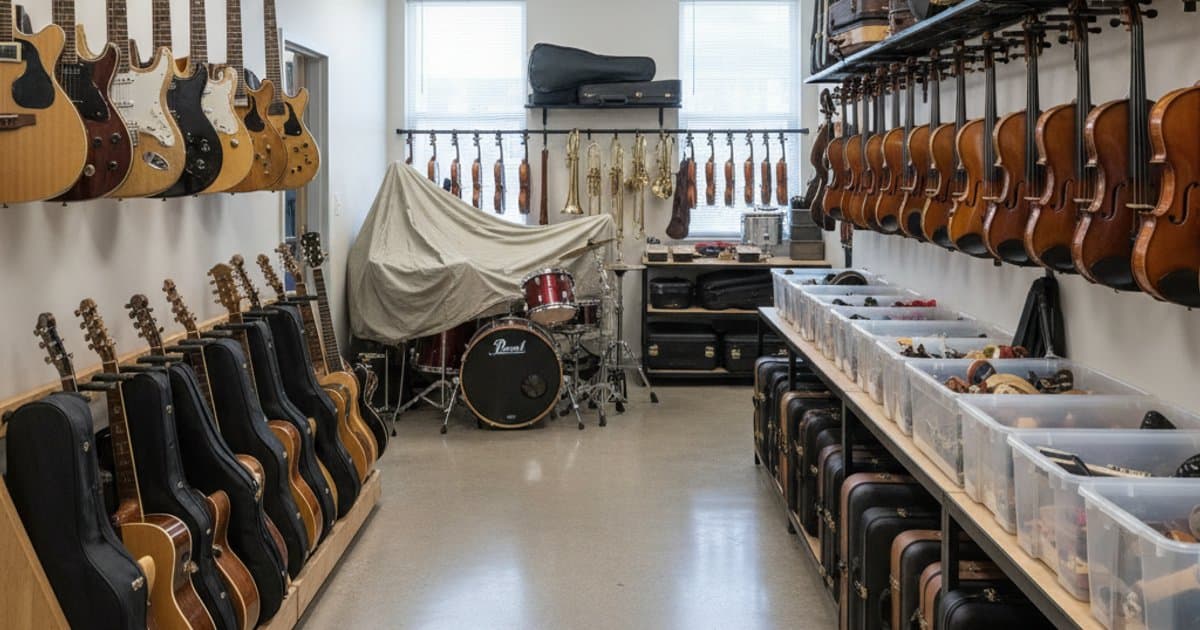
Room and Instrument Management for Music Schools
Music schools depend on two physical assets more than any other: rooms and instruments. This guide covers acoustic matching, hire fleet tracking, insurance requirements, maintenance scheduling, and inventory management for music school operators.

Recital and Concert Planning for Music Schools
Concerts and recitals are the public face of your music school. Getting them right builds reputation and pupil confidence. This guide covers performance order, accompanist management, venue technical requirements, programme production, and post-event recording distribution.

Building a Parent Communication Portal for Music Schools
A parent communication portal transforms music school admin from a chain of emails and phone calls into a single, organised system. This guide covers lesson notes, practice diaries, recital coordination, exam reminders, and how to make two-way communication work without overwhelming your teachers.

Managing One-to-One Scheduling Complexity in Music Schools
One-to-one music tuition creates scheduling challenges that no other activity type faces. This guide covers peripatetic teacher management, multi-site timetabling, duration variations, and how to handle cancellation cascades without losing income or goodwill.
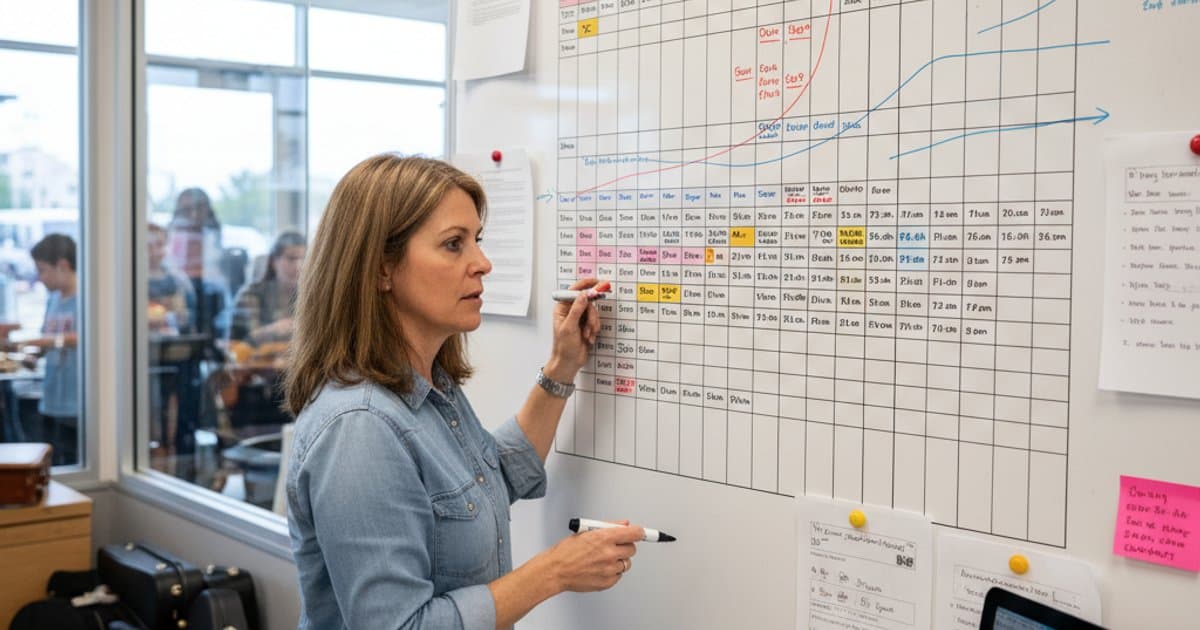
Managing Irregular Lesson Patterns in Music Schools
Music schools rarely operate on a simple weekly schedule. Fortnightly lessons, paired tuition, group theory sessions, and term-date mismatches all create patterns that standard booking systems struggle with. This guide explains how to manage them without losing income or sanity.
Flexible Lesson Scheduling for Music Schools
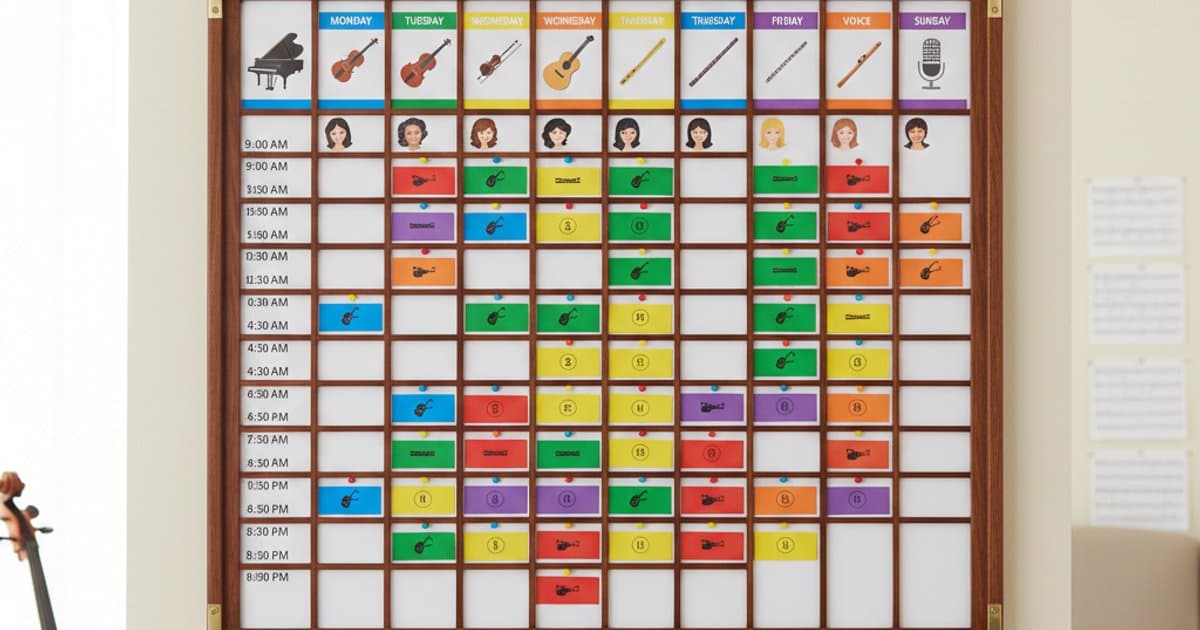
Flexibility is what families want, but it is operationally expensive for music schools. This guide covers how to offer one-to-one, paired, and group lesson formats alongside waitlist management, teacher availability windows, and parent confirmation workflows.

Parent Communication Portals for Multi-Sport Camps
Parents dropping their child at a holiday camp want to know their child is safe, happy, and having a good time. A well-designed communication portal replaces anxious phone calls with daily photos, digital sign-in confirmations, live capacity updates, and instant schedule notifications.

Flexible Day Booking Systems for Holiday Camps
Parents expect to book holiday camp places online, at any time, with instant confirmation. This guide covers how to build a self-service portal that handles day-by-day bookings, voucher processing, employer billing, and live availability without creating an administrative nightmare.
Managing Flexible Booking Patterns for Holiday Camps
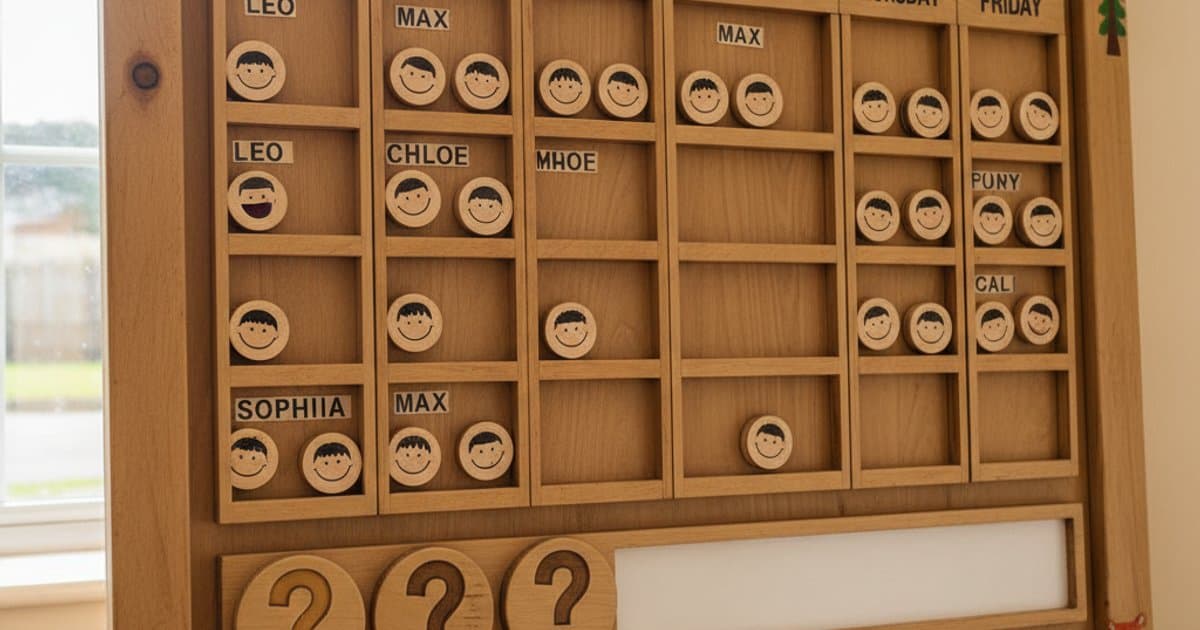
Holiday camp bookings are messy by nature. Parents want day passes, weekly packages, sibling discounts, and the ability to add extra days at the last minute. This guide covers how to manage flexible booking patterns without losing control of your numbers, payments, or sanity.
Managing Daily Schedule Complexity for Multi-Sport Camps
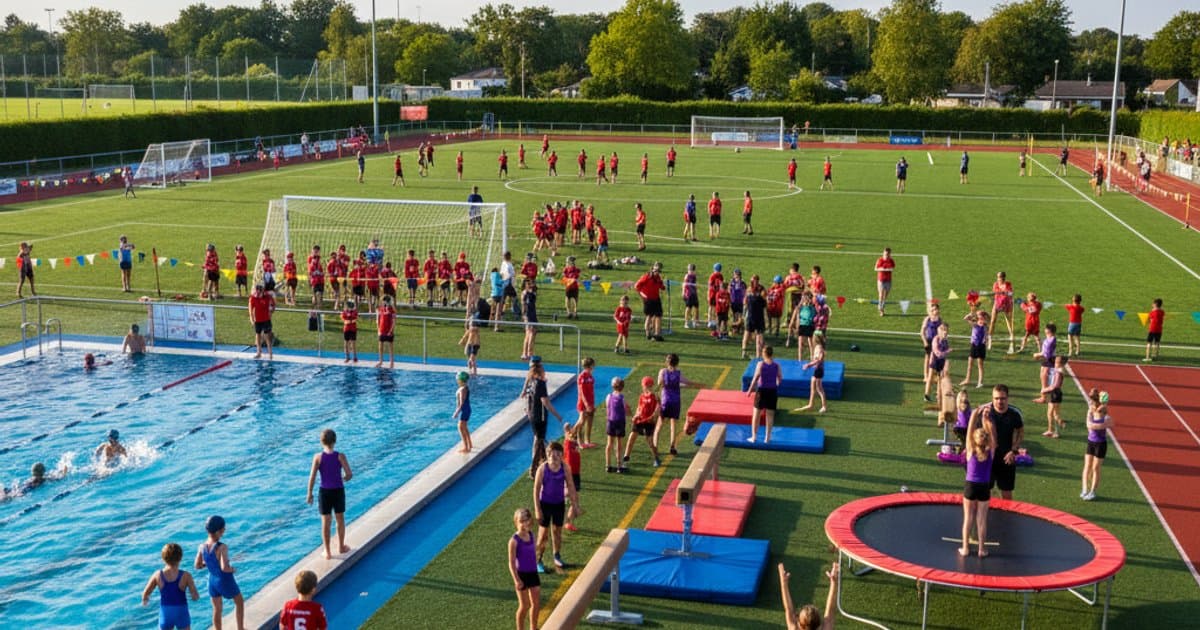
Multi-sport holiday camps juggle dozens of moving parts every single day. This guide covers activity rotation, room allocation, wet weather contingencies, and specialist coach availability so you can run a smooth operation even when plans change at short notice.

Building a Daily Schedule for Multi-Sport Camps
A well-built daily schedule is the difference between a camp that runs smoothly and one that lurches from one crisis to the next. This guide covers the practical process of building a schedule, from allocating time blocks and specialist slots to planning wet weather alternatives and managing transitions between venues.
Smart Class Scheduling for Martial Arts Schools
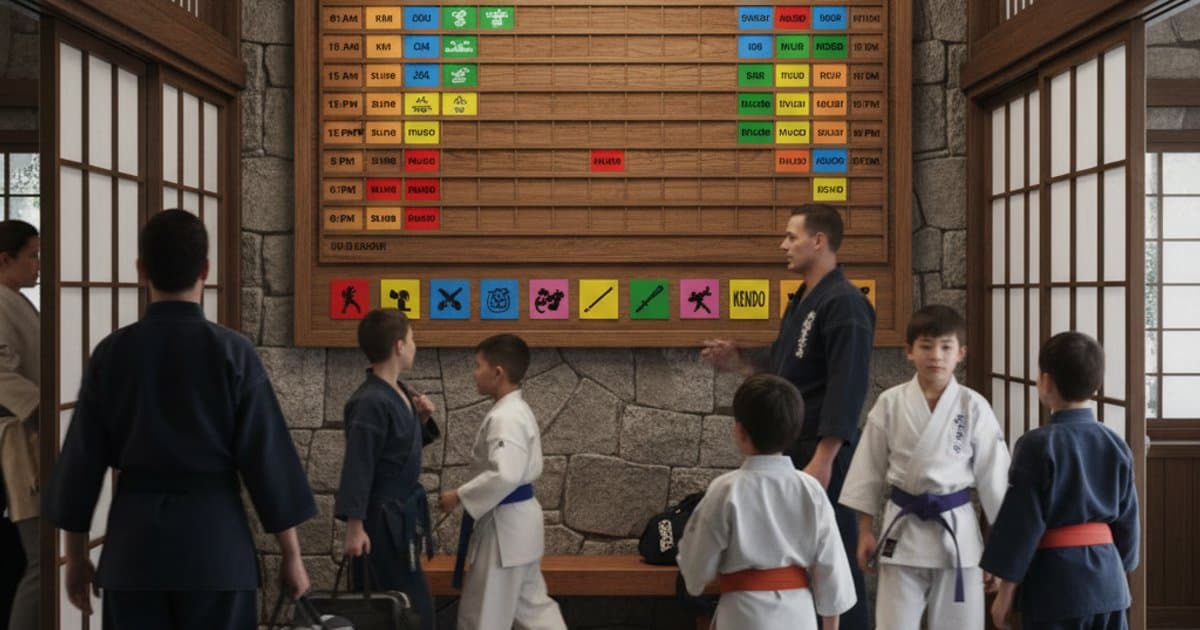
Scheduling martial arts classes is more complex than most activity providers realise. Belt levels, age groups, weight considerations, and the need for rank-appropriate training all influence who should train in which session. This guide covers the scheduling strategies that keep students safe, progressing, and coming back.

Building a Parent and Student Portal for Martial Arts Schools
A parent and student portal transforms your martial arts school from a class they attend into a platform they engage with daily. This guide covers the features that matter most: belt history, grading dates, technique reference, attendance tracking, and syllabus access.

Managing Multiple Disciplines in Martial Arts Centres
Running a multi-discipline martial arts centre offers compelling business advantages but introduces operational complexity. This guide covers how to manage separate grading systems, unified memberships, instructor compliance across disciplines, and the practical challenges of operating karate, judo, BJJ, and MMA under one roof.

Grading Event Management for Martial Arts Schools
Grading events are high-stakes occasions for students, parents, and your school's reputation. Getting the logistics right requires systematic planning from candidate selection through to result communication. This guide covers every stage of grading event management.

Managing Irregular Attendance Patterns in Martial Arts Schools
Martial arts schools face a unique attendance challenge: students attend irregularly due to work schedules, injuries, and training intensity, yet their grading progression depends on consistent attendance. This guide covers payment models, attendance tracking, grading eligibility, and reconciliation strategies.
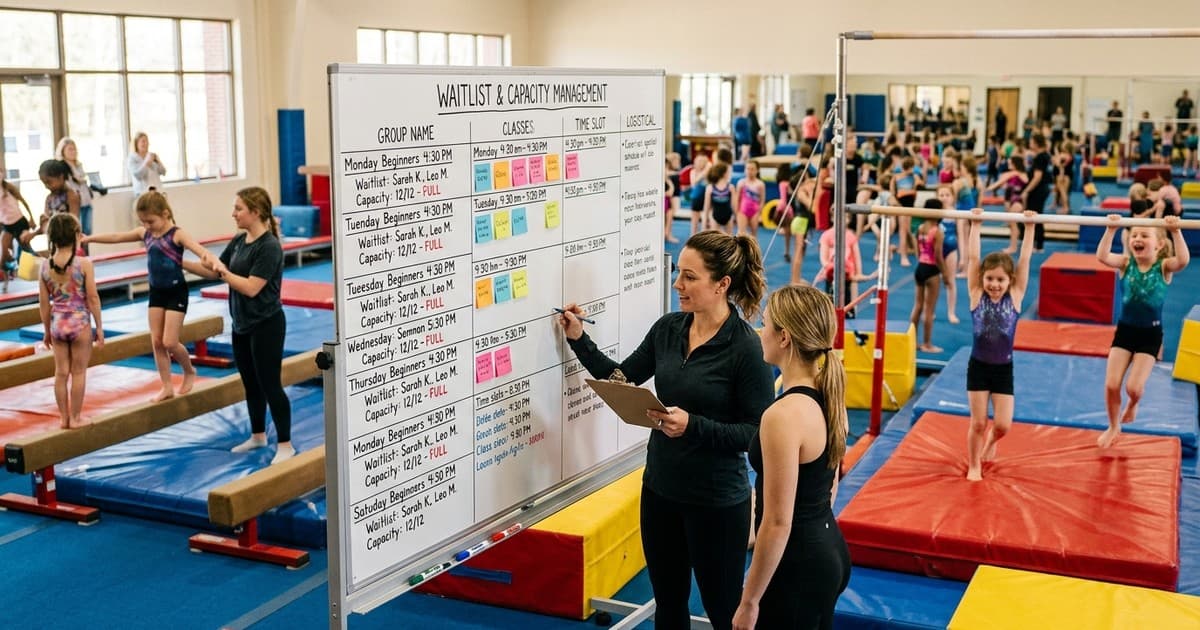
Waitlist and Capacity Management for Gymnastics Clubs
A full class is a sign of success. A poorly managed waitlist is a sign of lost revenue. This guide covers how gymnastics clubs can manage waitlists effectively through age and ability matching, sibling priority rules, automatic allocation, timed acceptance windows, and capacity planning strategies.

Balancing Squad and Recreational Programmes in Gymnastics
Most gymnastics clubs run both recreational and squad programmes, but balancing the two is a persistent operational challenge. Squads demand more hours, more coaching resource, and more facility time, yet recreational classes typically generate more revenue. This guide covers practical strategies for scheduling, pricing, and managing both programmes sustainably.

Parent Communication Portals for Gymnastics Clubs
Parent communication is the invisible infrastructure that holds a gymnastics club together. A dedicated parent portal transforms how families interact with your club, from checking badge progress to viewing competition results. This guide covers what to include, how to implement it, and the impact it has on satisfaction and retention.
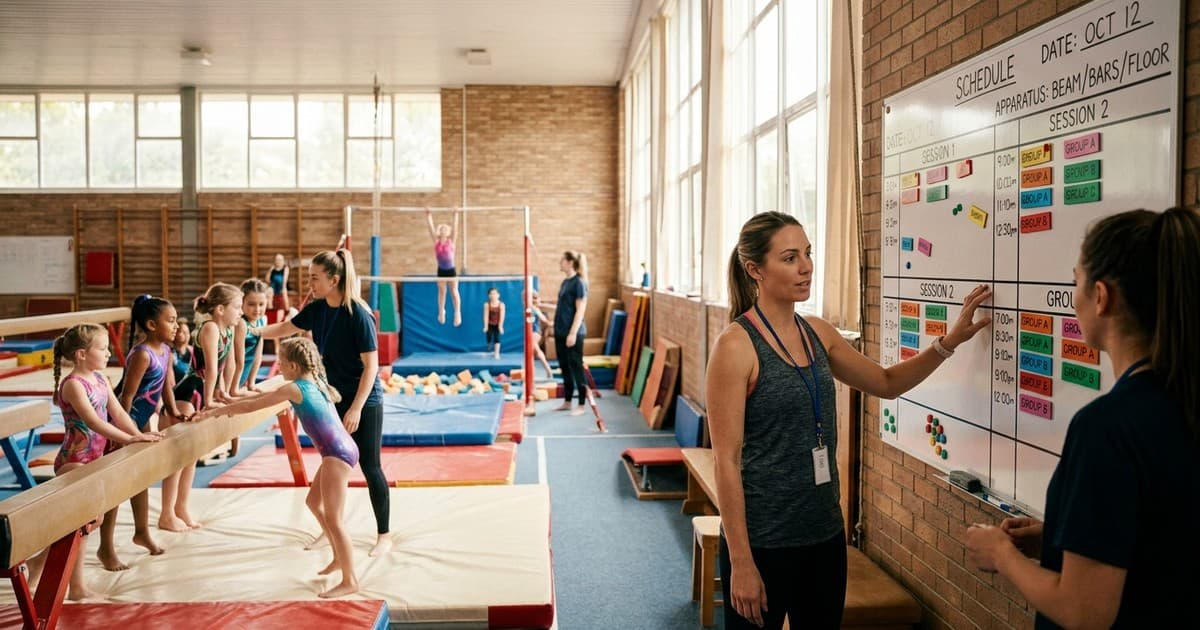
Equipment and Apparatus Scheduling for Gymnastics Clubs
Gymnastics is one of the most equipment-intensive sports you can run. Managing apparatus rotation timing, setup and teardown logistics, safety inspections, and shared facility constraints is a daily operational challenge. This guide covers practical scheduling strategies that keep sessions running smoothly and safely.

Tournament and Fixture Management Systems for Football
As your football academy grows, ad-hoc tournament management becomes unsustainable. This guide covers how to build structured systems for squad selection, opposition tracking, match result recording, league table management, and post-match content.

Tournament and Fixture Coordination for Youth Football
Running tournaments and fixtures for youth football teams involves far more than picking a squad and turning up. This guide covers availability tracking, squad selection, transport logistics, FA Respect compliance, and kit management for football academies.

Session and Pitch Scheduling for Football Academies
Effective scheduling is the backbone of a well-run football academy. This guide covers how to manage sessions across multiple venues, balance pitch surfaces and floodlight constraints, and build weather contingency into your weekly programme.

Managing Pitch Bookings and Weather Disruptions for Football Academies
Weather disruptions are one of the biggest operational headaches for football academies. This guide covers how to manage pitch bookings across 3G, grass, and indoor surfaces, handle cancellation workflows, coordinate floodlight access, and keep parents informed when plans change.

Building a Parent Communication Portal for Football Academies
Effective parent communication is what separates a professional football academy from a chaotic one. This guide covers how to build a centralised parent portal that handles training schedules, tournament availability, development reports, cancellation alerts, and everything in between.

Managing Age Group Registrations in Football Academies
September is the busiest administrative period for any football academy. Players move up age groups, new registrations flood in, FA affiliation must be renewed, and every medical and consent form needs updating. This guide explains how to manage the process efficiently.

Rehearsal and Class Scheduling for Drama Schools
Drama schools face a scheduling challenge that almost no other children's activity encounters: the need to layer intensive production rehearsals over an existing timetable of regular classes without burning out students, staff, or parents. This guide covers practical approaches to scene-based scheduling, cast call sheets, and parent coordination.

Production Management Systems for Drama Schools
A drama school production involves hundreds of moving parts, and the schools that run them smoothly are the ones with systems rather than heroics. This guide covers how to build production management systems for prop inventory, licensing compliance, digital programmes, box office integration, and post-production archiving.

Managing Production Logistics for Drama Schools
Staging a production is the pinnacle of any drama school's year, but the logistics behind it can overwhelm even experienced providers. This guide covers every backstage element from props sourcing and set construction through to licensing, programme printing, front-of-house operations, and tech crew management.

Building a Parent Communication Portal for Drama Schools
Drama schools generate more parent communication than almost any other children's activity. Between rehearsal schedules, costume requirements, script distribution, performance logistics, and the inevitable last-minute changes, the volume of information flowing between school and home is relentless. This guide covers how to centralise that communication through a parent portal that saves time for everyone.

Mixed-Age Group Timetabling for Drama Schools
Drama schools frequently need to timetable sessions that bring together children of different ages, whether for ensemble productions, musical theatre workshops, or simply because demand does not justify separate classes for every year group. This guide covers the safeguarding, practical, and scheduling challenges of mixed-age timetabling.

Attendance and Commitment Tracking for Drama Schools
Attendance in a drama school is not just an administrative exercise. It directly affects casting decisions, understudy readiness, production quality, and the experience of every other student in the room. This guide covers practical approaches to tracking attendance, managing commitment, and handling the inevitable absences that disrupt rehearsal schedules.

Rehearsal and Show Scheduling for Dance Schools
Show season is the highlight of the dance school year, but it demands exceptional scheduling. This guide covers rehearsal calendar management, venue hire, tech and dress rehearsal planning, multi-cast coordination, backstage scheduling, and keeping parents informed throughout.

Performance and Event Management for Dance Schools
A dance school show is the culmination of months of work and the most visible representation of your school to the wider community. This guide covers every aspect of performance management, from building the running order to printing the programme.

Building an Effective Parent Portal for Dance Schools
A parent portal is not a luxury feature for dance schools. It is the communication backbone that replaces the dozens of WhatsApp messages, printed letters, and repeated phone calls that consume your admin hours. This guide covers what your portal should include and how to get parents using it.

Multi-Style Timetabling for Dance Schools
Building a timetable for a multi-discipline dance school is one of the most complex scheduling challenges in children's activities. This guide covers balancing styles, matching rooms to requirements, aligning teacher specialisms, and creating family-friendly scheduling.

Multi-Studio Scheduling for Dance Schools
Running classes across multiple studios demands more than a paper timetable pinned to the office wall. This guide covers visual drag-and-drop scheduling, room tagging, discipline colour-coding, clash detection, and building views that work for both teachers and principals.

Instructor Management for Dance Schools
Your teachers are your most valuable asset and your biggest operational variable. This guide covers tracking qualifications, managing discipline specialisms, arranging holiday cover, handling pay rates across different class types, and generating accurate timesheets.

Managing Costume and Performance Logistics for Dance Schools
Costume logistics can make or break a dance school's show season. This guide covers everything from supplier management and size collection to fitting schedules, accessory tracking, and the show-week timeline that keeps backstage running smoothly.

Training Group Scheduling for Athletics Clubs
Scheduling training groups in athletics requires balancing event-group needs, facility capacity, equipment availability, and coach qualifications. This guide covers how to structure group scheduling so every athlete gets meaningful training in their discipline without bottlenecks.

Managing Seasonal Programme Transitions in Athletics
Athletics clubs operate across multiple seasons with fundamentally different programmes: summer track and field, winter cross-country and road, and the indoor season bridging both. Managing these transitions smoothly involves timetable restructuring, payment adjustments, and clear communication to retain members through change.

Building a Parent and Athlete Portal for Athletics Clubs
A parent and athlete portal gives athletics club members a single place to view training schedules, competition calendars, personal bests, and coach session notes. This guide covers what to include, how to structure access, and how a well-built portal reduces the communication burden on volunteers.

Multi-Event Session Planning for Athletics Clubs
Running a multi-event athletics session means managing several disciplines simultaneously across different facility zones. This guide covers rotation design, equipment allocation, coach deployment, and the practical logistics that keep sessions safe and productive.

Competition Management Systems for Athletics Clubs
Managing a club's competition programme means tracking qualifying standards, selecting teams fairly, optimising relay combinations, submitting entries on deadline, and reconciling results. This guide covers the systems and processes that keep competition management under control.

Competition Entry Management for Athletics Clubs
Managing competition entries for an athletics club involves juggling qualifying standards, England Athletics portal submissions, parental consent, relay team selection, and tight deadlines. This guide walks through building a system that handles it all without dropping entries.

Staff and Room Management for Art Schools
Art schools employ staff with diverse specialisms and use rooms with specialist equipment that requires specific training and certification. Managing which tutors can teach which classes, who is certified to operate which equipment, and how rooms are allocated across your programme is a complex operational challenge. This guide covers practical approaches.

Building a Parent Communication Portal for Art Schools
Art schools generate more parent communication than almost any other children's activity. Between portfolio updates, supply lists, exhibition invitations, schedule changes, and holiday course promotions, the volume of messages can overwhelm both you and your families. A well-designed parent portal centralises everything and keeps communication manageable.

Mixed-Format Scheduling for Art Schools
Art schools rarely run a single class format. You are juggling weekly term-time classes, one-off workshops, holiday courses, birthday parties, and exhibition periods, all while accounting for kiln drying gaps and room turnarounds. This guide explains how to build a schedule that handles every format without descending into chaos.

Materials and Supply Management for Art Schools
Running an art school means managing a constant flow of consumable materials, from clay and glazes to specialist papers and printmaking inks. This guide covers supplier management, bulk ordering strategies, waste reduction, kiln firing costs, and how to build material surcharges into your pricing without driving families away.

Materials and Stock Tracking for Art Schools
Art schools consume a wide range of materials at varying rates, and without proper stock tracking you are either running out mid-class or sitting on expensive surplus. This guide covers per-class costing, reorder point management, waste tracking, and margin analysis to help you control your biggest variable cost.

Flexible Class Scheduling for Art Schools
Art school scheduling needs to accommodate realities that no other activity type faces: kiln cycles that span days, drying times that vary with humidity, exhibition periods that take studios offline, and a mix of formats from weekly classes to one-off workshops. This guide explains how to build a flexible, efficient schedule.

Seasonal Staff Recruitment and Management
Activity businesses run on seasonal rhythms, and your staffing needs to flex with them. This guide covers the staffing cycle, where to find seasonal instructors, employment vs self-employment law, contracts, holiday pay and pensions, fast onboarding, and building a pool of returners.

Handling Complaints and Difficult Parent Conversations
Every complaint is a customer telling you they care enough to speak up instead of silently leaving. This guide covers the HEARD framework for handling complaints, scripts for common situations, managing unreasonable complaints, dealing with social media, documentation, and building a complaints policy.

Managing Multiple Venues and Locations
Expanding to a second venue is one of the biggest decisions you will make as an activity provider. Done well, it multiplies your revenue and reach. Done badly, it stretches you thin and damages the quality that built your reputation. This guide covers when to expand, which model to use, and how to maintain consistency across locations.

The Complete Guide to Running Holiday Camps
Holiday camps can be the most profitable part of your business, but they are also the most operationally complex. This guide covers Ofsted registration requirements, venue setup, programming themed weeks, staffing ratios, pricing strategies, food and allergy management, and drop-off and pick-up security.

Term Planning Checklist
A comprehensive week-by-week term planning checklist that ensures every operational, marketing, and administrative task is completed before the new term starts.

Parent Communication Email Templates
A collection of 20 professionally written email templates covering every key parent communication touchpoint in an activity business.

How to Set Up a Waiting List System That Works
A well-managed waiting list is not just a queue. It is a revenue protection tool, a demand signal, and a marketing asset. This guide shows you how to set up a waiting list system that converts interest into enrolments and keeps your classes full.

Weekly Class Schedule Planner
A visual timetabling tool that helps activity providers build and optimise their weekly class schedule across venues, instructors, and time slots.

Reducing No-Shows and Maximising Class Fill Rates
Every empty space in a class is lost revenue you can never recover. No-shows cost the average activity provider thousands of pounds a year. This guide covers proven strategies to get students through the door and keep your classes full.