Music Management Software
Schedule one-to-one lessons and group classes, track grade progression through ABRSM or Trinity pathways, manage instrument hire, and coordinate ensemble rehearsals and recitals.
AMES integrates directly with ABRSM and Trinity syllabi so grade progression, theory prerequisites, and exam entries are tracked in one place. Peripatetic teachers manage their own roaming timetables across multiple school sites, while ensemble directors coordinate rehearsal schedules, part assignments, and concert programmes without a single spreadsheet.
UK Governing Body
Associated Board of the Royal Schools of Music (ABRSM)
Typical Pricing
£15-£35 per lesson
Class Size
1-6 students
Challenges music businesses face

One-to-one scheduling complexity
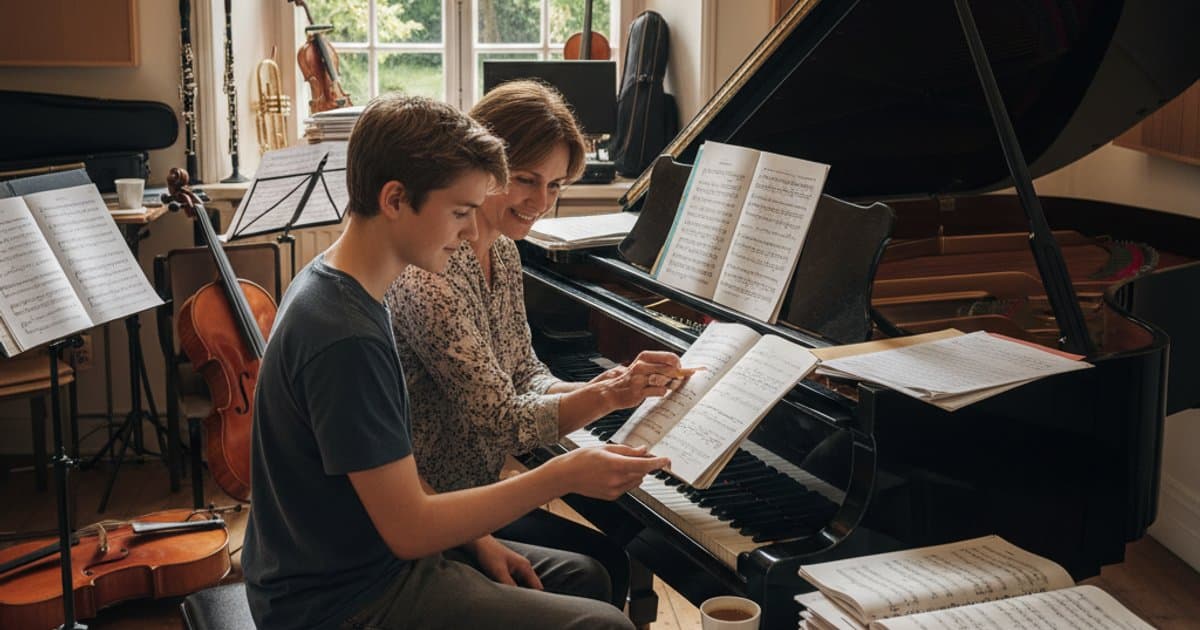
Music schools juggle dozens of individual lesson slots every week, each with its own duration and teacher pairing. Peripatetic teachers visit multiple schools across the week, and their availability shifts with each site's timetable. Students need to be matched to the right teacher by instrument and playing level, while lesson lengths vary between 30, 45, and 60 minutes depending on the student's grade and goals. Term-time scheduling rarely aligns across different schools, and holiday patterns add another layer of conflict. A single teacher illness can cascade through an entire day of back-to-back one-to-one slots, leaving administrators scrambling to notify families and rearrange rooms.
Grade and exam coordination
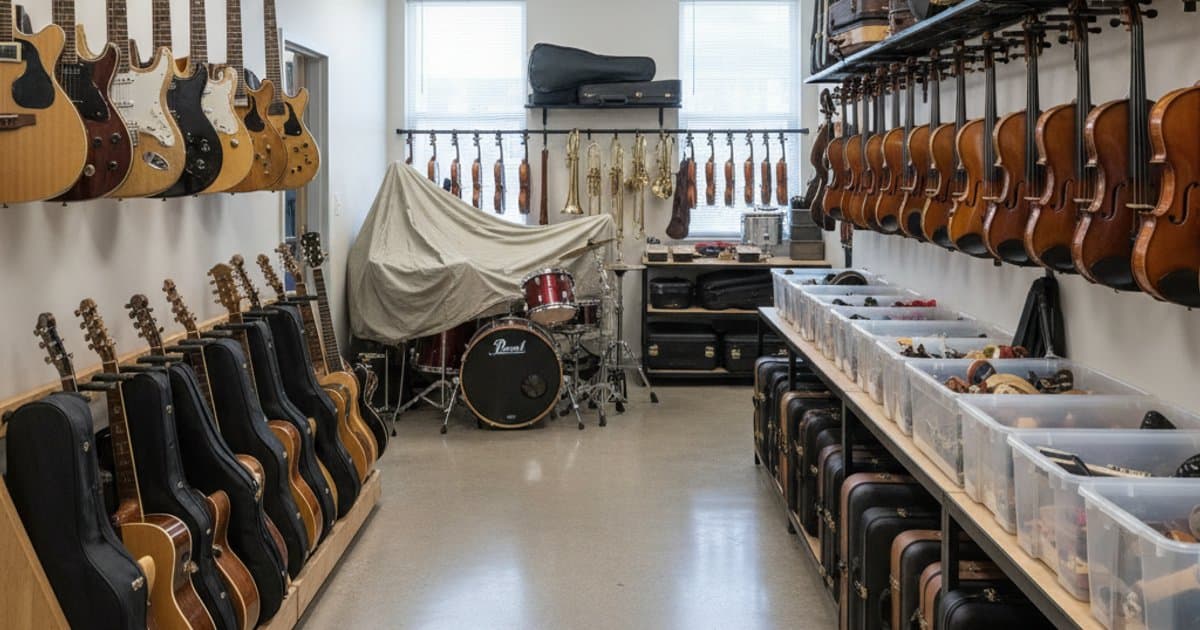
Tracking student progression across examination boards is a logistical maze. ABRSM and Trinity have different examination periods, separate entry deadlines, and distinct regional centres, so a school offering both pathways must manage two parallel calendars. Teachers need to prepare repertoire lists months in advance, confirm theory prerequisites are met before entering students for practical exams, and organise scale sheet preparation alongside regular lesson content. When exam clashes occur, or a student narrowly misses a theory pass that gates their practical entry, the administrative burden falls on office staff who rarely have a single view of every student's readiness across both boards.
Room and instrument management
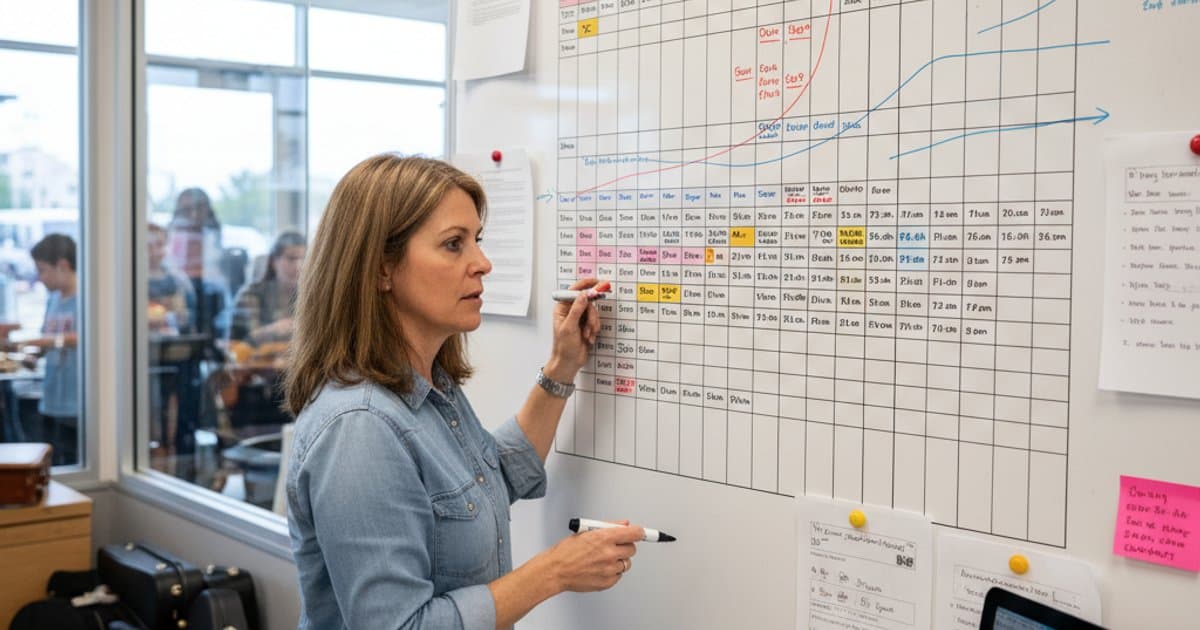
Shared practice rooms are a constant source of timetabling friction. A drum lesson next door to a vocal coaching session is a recipe for complaints, so rooms must be matched by acoustic suitability as well as availability. Meanwhile, instrument hire inventories grow unwieldy: each instrument needs condition tracking after every loan return, insurance documentation with expiry dates, and maintenance records that feed into replacement budgets. Schools that lend out 50 or more instruments often rely on spreadsheets that fall out of date the moment a parent reports a broken bridge or a missing mouthpiece, leaving gaps in both the inventory and the insurance cover.
Irregular lesson patterns
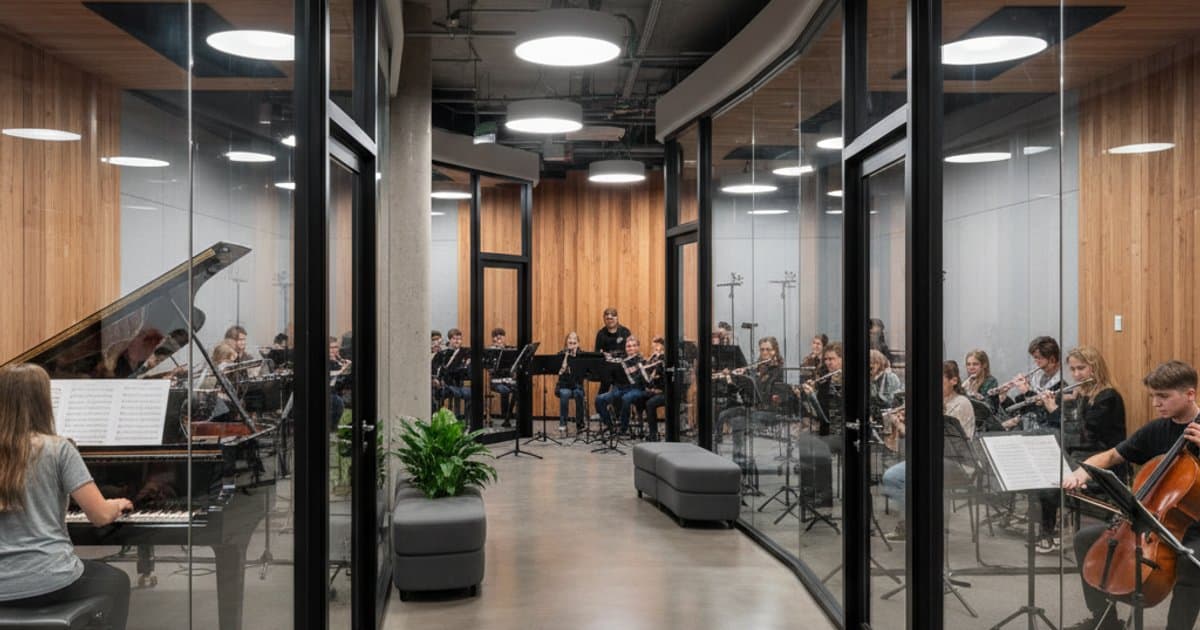
Not every music student follows a neat weekly pattern. Fortnightly students, paired lessons where two beginners share a slot, and group theory classes all sit alongside standard weekly one-to-one lessons. Some families commit year-round while others attend only during term time, and term dates themselves differ between state schools, independent schools, and home-education groups. When a bank holiday lands on a lesson day, the knock-on rescheduling is different for weekly and fortnightly students. Schools using generic calendar tools end up maintaining parallel records for each pattern, and every exception, whether a student switching from weekly to fortnightly or a shared lesson dissolving into two solos, means manual recalculation of fees and timetables.
Guides and articles for music businesses
Room and Resource Management for Music Schools
Effective room and resource management is what separates a well-run music school from one that feels chaotic. This guide covers acoustic profiling, instrument hire fleets, practice room booking systems, and equipment servicing schedules.
Room and Instrument Management for Music Schools
Music schools depend on two physical assets more than any other: rooms and instruments. This guide covers acoustic matching, hire fleet tracking, insurance requirements, maintenance scheduling, and inventory management for music school operators.
Recital and Concert Planning for Music Schools
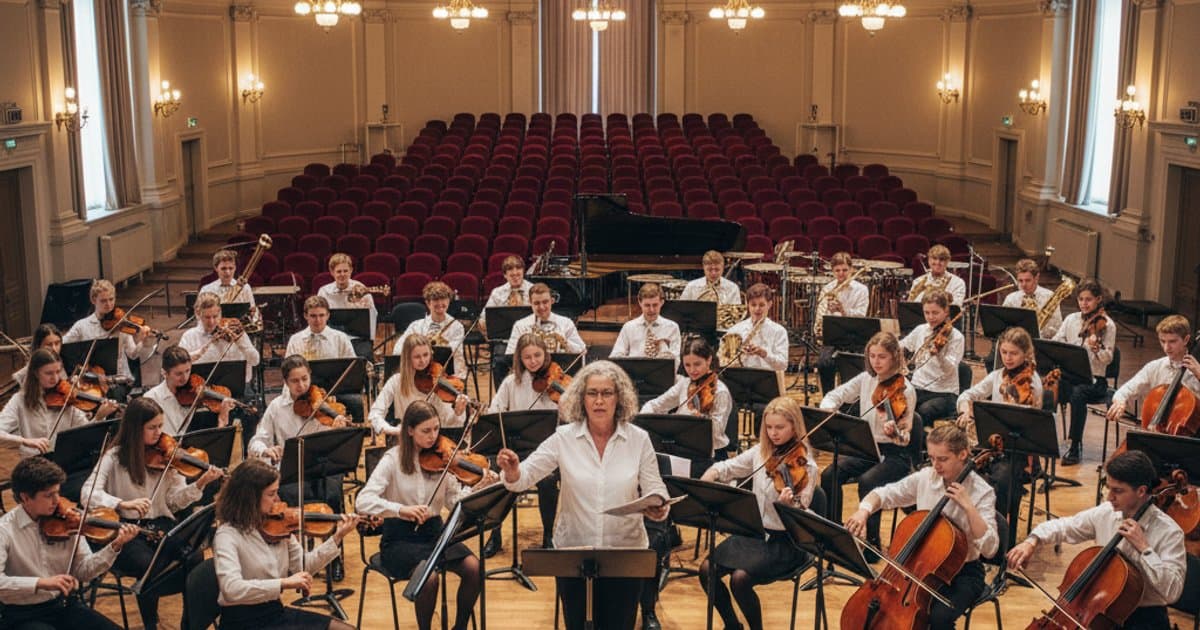
Concerts and recitals are the public face of your music school. Getting them right builds reputation and pupil confidence. This guide covers performance order, accompanist management, venue technical requirements, programme production, and post-event recording distribution.

Building a Parent Communication Portal for Music Schools
A parent communication portal transforms music school admin from a chain of emails and phone calls into a single, organised system. This guide covers lesson notes, practice diaries, recital coordination, exam reminders, and how to make two-way communication work without overwhelming your teachers.
Managing One-to-One Scheduling Complexity in Music Schools
One-to-one music tuition creates scheduling challenges that no other activity type faces. This guide covers peripatetic teacher management, multi-site timetabling, duration variations, and how to handle cancellation cascades without losing income or goodwill.
Managing Irregular Lesson Patterns in Music Schools
Music schools rarely operate on a simple weekly schedule. Fortnightly lessons, paired tuition, group theory sessions, and term-date mismatches all create patterns that standard booking systems struggle with. This guide explains how to manage them without losing income or sanity.

Tracking Grade Progression in Music Schools
Meaningful progress tracking is what turns a music school from a lesson provider into an educational institution. This guide covers how to track ABRSM and Trinity grade progression, manage theory alongside practical work, maintain repertoire records, and produce progress reports that parents value.
Grade and Exam Coordination for Music Schools
Managing exam entries across ABRSM and Trinity College London requires careful coordination of calendars, prerequisites, and preparation. This guide covers how to handle parallel exam boards, theory requirements, repertoire planning, and entry logistics without losing track of a single pupil.
Flexible Lesson Scheduling for Music Schools
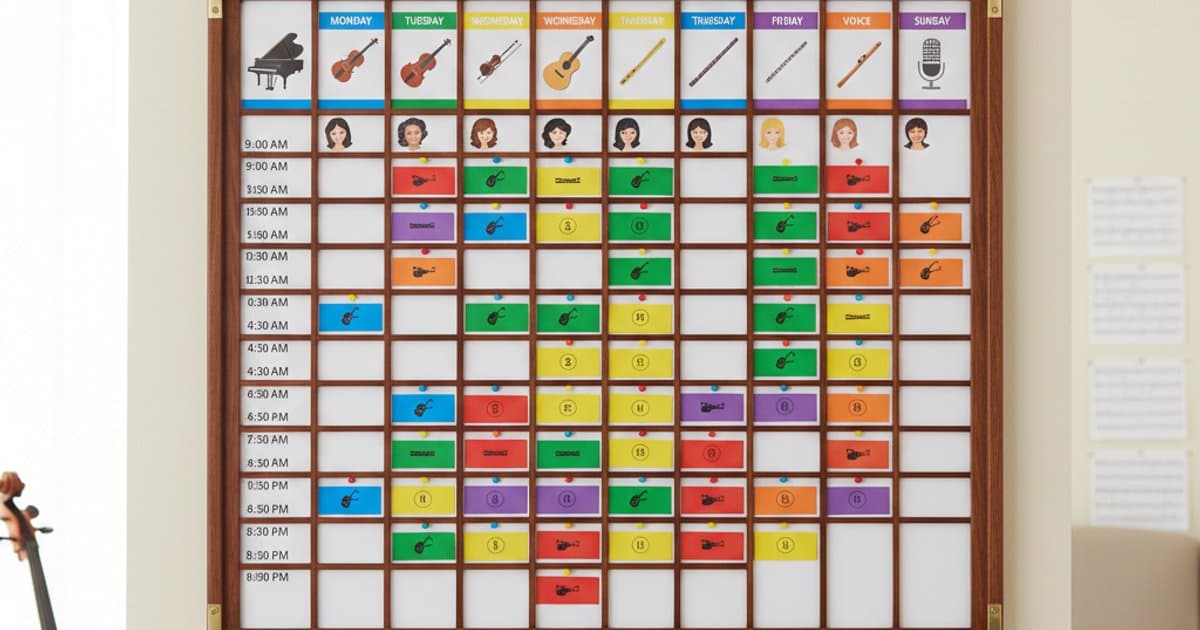
Flexibility is what families want, but it is operationally expensive for music schools. This guide covers how to offer one-to-one, paired, and group lesson formats alongside waitlist management, teacher availability windows, and parent confirmation workflows.

Automating Payment Collection for Music Schools
Chasing payments is the task every music school owner dreads. This guide covers how to automate collection through credit systems, pro-rata calculations, holiday freezes, instrument hire billing, and direct debit integration so you can focus on teaching rather than invoicing.

Launching a Children's Music School: A Practical Guide
Music education is one of the most enduring and rewarding children's activities. With school music provision declining, private music schools are filling a growing gap. This guide covers everything from qualifications and instrument management to grading systems and concert planning.
How AMES helps music providers
Music Lesson Booking & Scheduling Software
Build timetables that accommodate one-to-one, paired, and group lessons in a single view. Peripatetic teachers set their availability across each school site, and the scheduler fills slots by matching instrument, level, and preferred lesson length. When a cancellation opens a gap, the system automatically offers it to students on the waiting list, keeping your rooms and teachers productive throughout the day. Parents receive instant confirmation, and teachers see updated schedules on their phone before they arrive at each site.
Music Student Progress & Grade Tracking
Follow every student's journey from first lesson to diploma across ABRSM, Trinity, or internal milestones. Log theory progress alongside practical grades, maintain a repertoire history for each student, and record sight-reading assessments and aural training results in one timeline. Teachers see at a glance which prerequisites are met before exam entry, and progress reports are generated automatically for parents and school leadership without copying data between systems.
Direct Debit & Automated Payments
Collect fees on a schedule that matches how music schools actually bill. Lesson credit systems let families pre-purchase blocks, while pro-rata invoicing handles students who join mid-term without manual calculation. Holiday credit freezes pause billing automatically based on each family's agreed term pattern, and instrument hire charges are rolled into the same invoice. Direct debit, card payments, and ad-hoc top-ups all feed into a single ledger so reconciliation takes minutes rather than hours.
Connect Parent App — Booking & Communication
Keep parents informed and students practising between lessons. Teachers post lesson notes after each session with specific practice targets, recommended listening, and resource links. A built-in practice diary lets students log their daily sessions, and parents can see at a glance whether practice goals are being met. Upcoming recital preparation notes, concert logistics, and exam timetable reminders all appear in the same portal, replacing scattered emails and paper slips with a single channel that parents actually check.
Class Registers, Attendance & Resource Management
Assign rooms by acoustic profile so drums, piano, and vocal lessons each get appropriate spaces. Track every hired instrument's condition with photo records at loan and return, receive automatic alerts when insurance cover is due for renewal, and schedule maintenance before minor damage becomes costly repair. Students can book practice rooms for self-directed sessions outside lesson hours, and equipment inventories update in real time so office staff always know what is available, what is on loan, and what is in for servicing.
Term Enrolment, Recital & Concert Planning
Plan performances from repertoire selection through to curtain call. Build the order of performance, assign accompanists to each act, and generate programme notes directly from student and repertoire records. Venue technical requirements, such as piano tuning schedules, microphone setups, and stage lighting cues, are captured alongside the running order so nothing is left to memory. Parents receive digital programmes and post-event recordings through the same portal they use for lesson updates, closing the loop between classroom progress and stage performance.
Ready to orchestrate your music school?
See how AMES can automate bookings, payments, and communication for your music business.
Book a Demo