Gymnastics Management Software
From recreational tumblers to competitive squads, manage ability groups, track badge progression, schedule apparatus rotations, and keep parents informed at every stage.
AMES streamlines British Gymnastics compliance, squad pathway management, and day-to-day club operations in one platform. Whether you run a single-venue recreational club or a multi-site competitive programme, AMES scales with you, keeping coaches, parents, and administrators connected from pre-school tumblers through to elite squads.
UK Governing Body
British Gymnastics
Typical Pricing
£7-£14 per session
Class Size
8-16 students
Challenges gymnastics businesses face
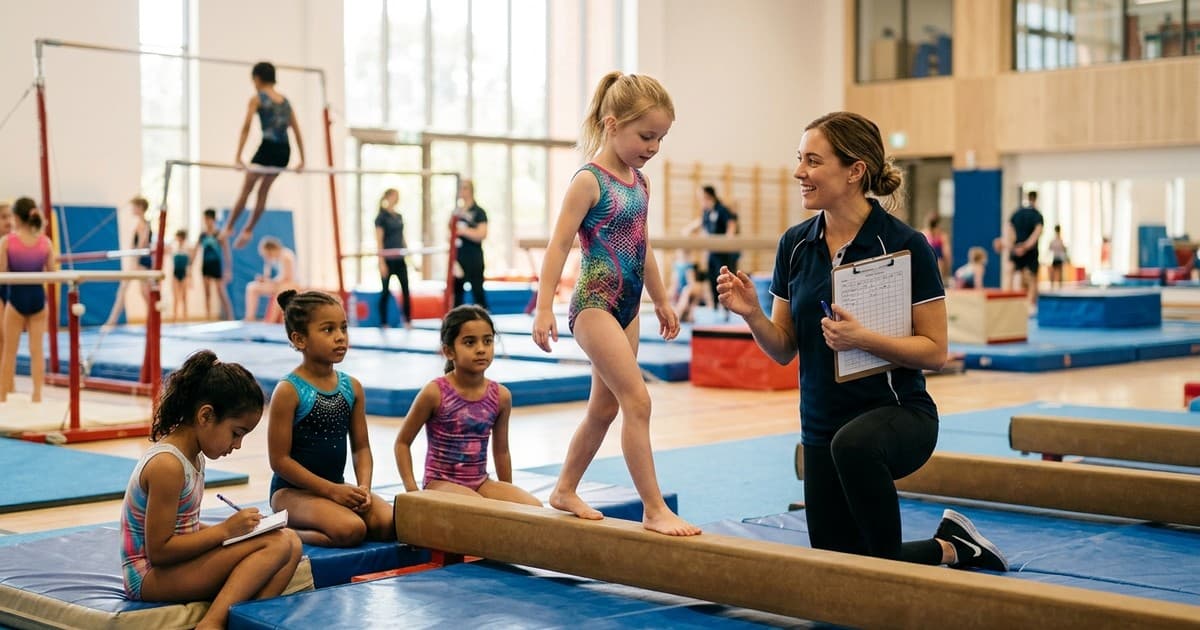
Ability group placement
Assessing new gymnasts, placing them in the right group, and moving them up as they progress requires constant coordination between coaches that often falls through the cracks. Taster sessions need careful evaluation against structured criteria, but coaches often rely on gut instinct rather than documented standards. New gymnasts may wait weeks for a suitable group to have space, and during that time parents hear nothing. When abilities are misjudged, you end up with a seven-year-old attempting skills they are not physically ready for, creating genuine safety risks. Different coaches assess differently, leading to inconsistent placement decisions that frustrate parents who compare notes at the door. Without a centralised assessment workflow, promising gymnasts stall in the wrong group while less ready children get pushed up too quickly.
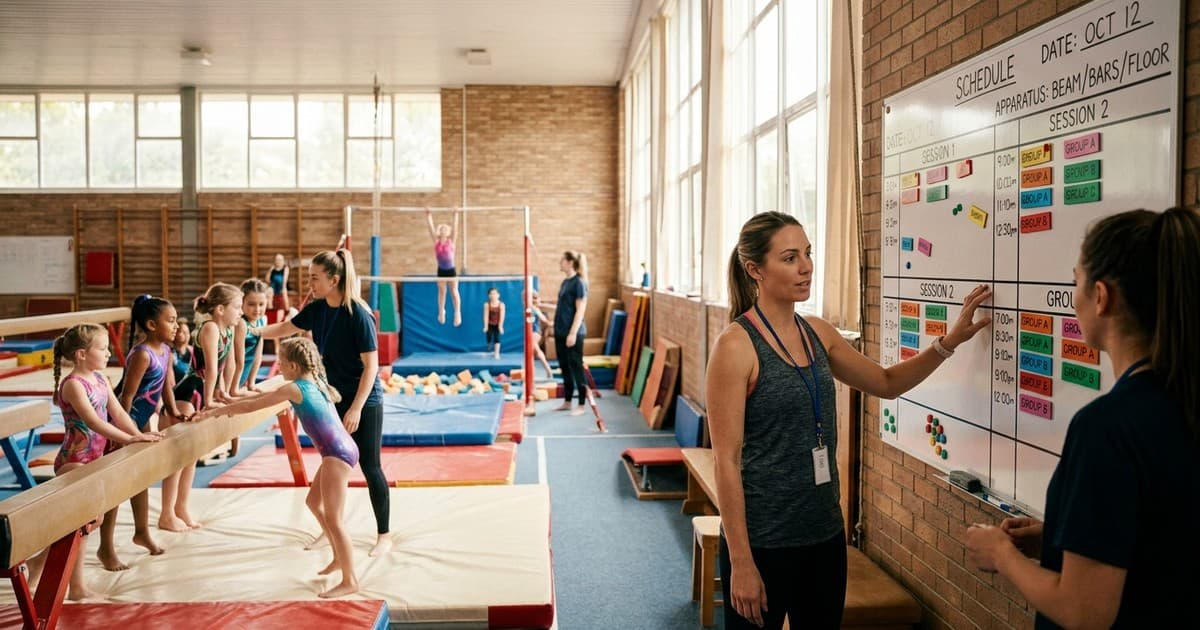
Equipment and apparatus scheduling
Rotating groups through vault, bars, beam, and floor within a single session needs precise timing. Add in competitive squads needing extra time and the timetable becomes fragile. Apparatus setup and teardown eats into training time, especially when groups transition between equipment that requires safety mat reconfiguration. Different ability levels need different apparatus specifications: adjustable bars for juniors, full-height equipment for advanced gymnasts, and pit access for squads learning new skills. Safety inspections mandate regular equipment checks, and scheduling sessions around inspector availability adds another constraint. If you share your facility with other sports or community groups, your window for apparatus setup shrinks further, and a single overrun cascades through the entire evening session plan.
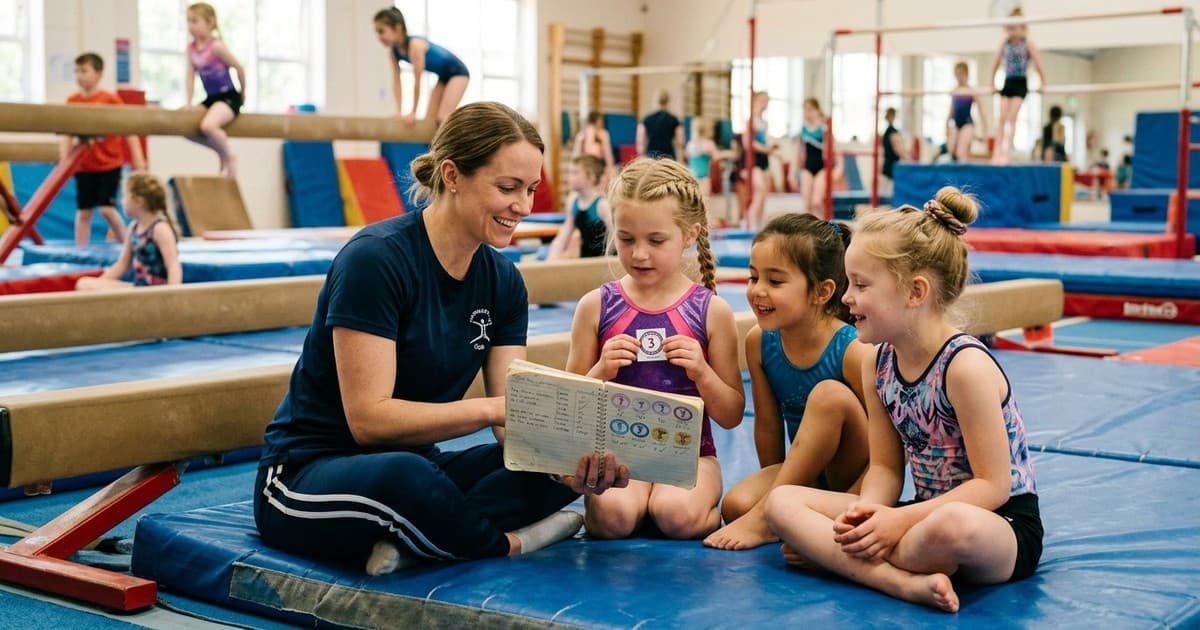
Badge and award tracking
British Gymnastics proficiency awards, in-house badges, and competition results all need tracking. Parents want to know where their child stands and what comes next. The BG Proficiency Awards scheme alone has multiple levels across floor, vault, and general gymnastics, each with specific skill requirements that coaches must assess individually. Ordering badges and certificates in bulk means predicting how many gymnasts will pass each level, then distributing the right badge to the right child without mix-ups. Presentation ceremonies need coordinating with parents, and the logistics of getting 30 families into a gym at the same time for a badge ceremony can rival the complexity of a competition. When records are scattered across spreadsheets and coaches' notebooks, badges get lost, duplicated, or awarded at the wrong level.
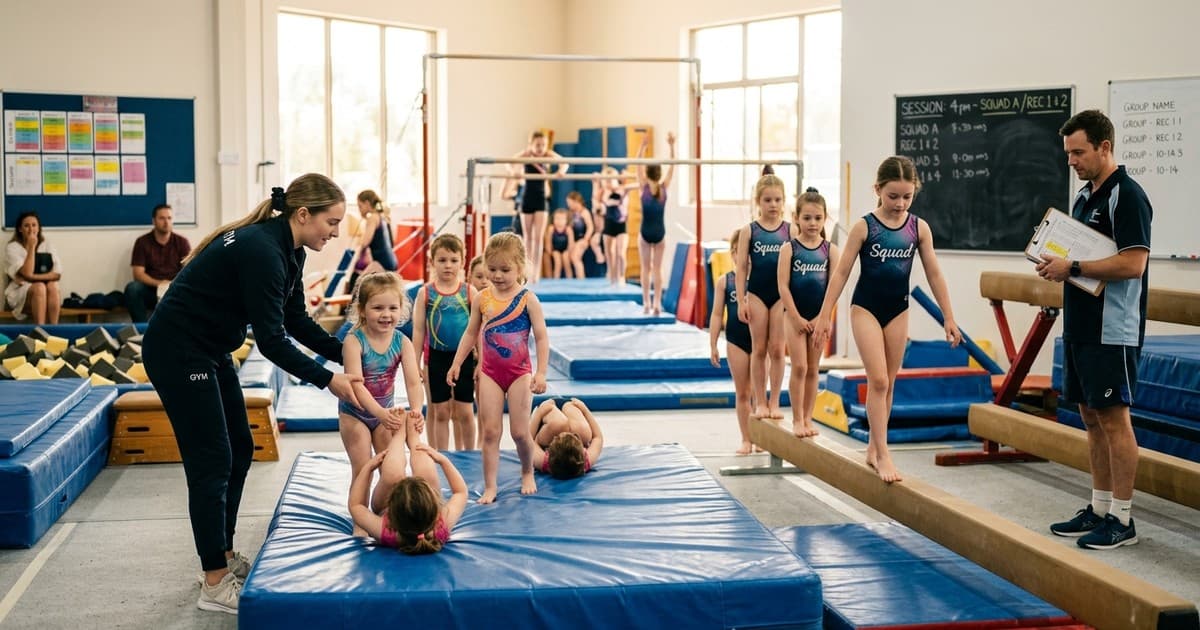
Squad and recreational balance
Managing both recreational classes and competitive squads in the same facility means juggling different schedules, coach-to-gymnast ratios, and pricing structures. Squad gymnasts may train fifteen to twenty-five hours per week compared to a single hour for recreational participants, and they expect priority access to apparatus and floor space. Competition travel requires coordination of entries, transport, accommodation, and parental consent forms for every event across the season. The funding model differs dramatically: squad families often pay monthly subscriptions plus competition levies, uniform costs, and training camp fees, while recreational families pay termly. Balancing the financial needs of running an expensive competitive programme against the steady revenue of a large recreational base is a strategic challenge that spreadsheets cannot model.
Guides and articles for gymnastics businesses
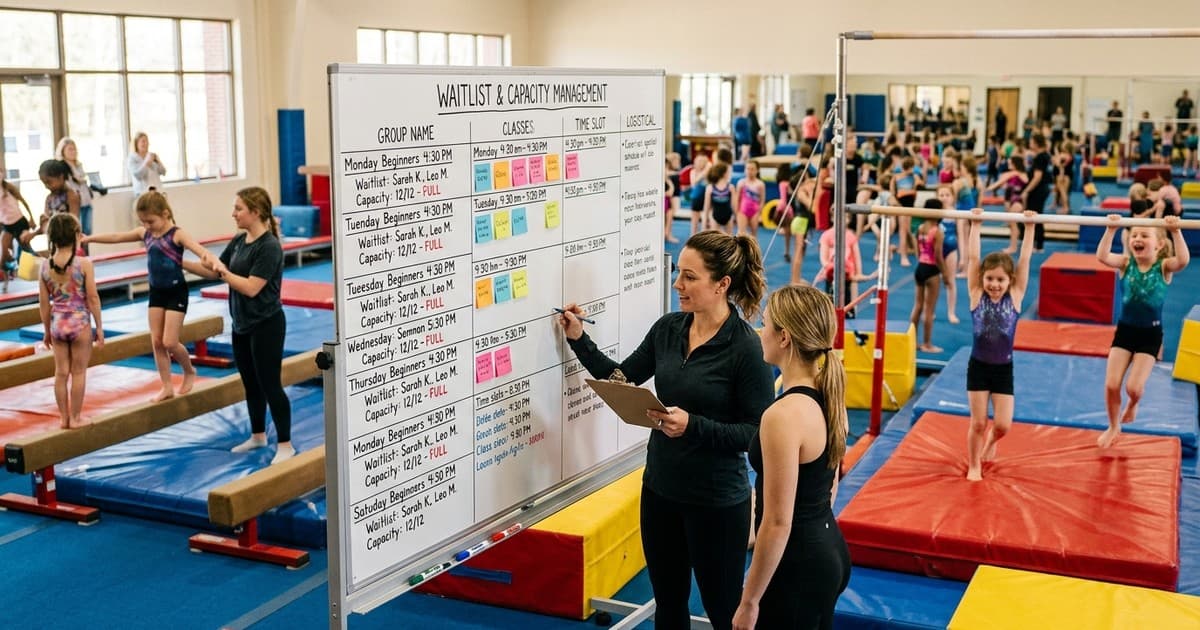
Waitlist and Capacity Management for Gymnastics Clubs
A full class is a sign of success. A poorly managed waitlist is a sign of lost revenue. This guide covers how gymnastics clubs can manage waitlists effectively through age and ability matching, sibling priority rules, automatic allocation, timed acceptance windows, and capacity planning strategies.
Balancing Squad and Recreational Programmes in Gymnastics
Most gymnastics clubs run both recreational and squad programmes, but balancing the two is a persistent operational challenge. Squads demand more hours, more coaching resource, and more facility time, yet recreational classes typically generate more revenue. This guide covers practical strategies for scheduling, pricing, and managing both programmes sustainably.
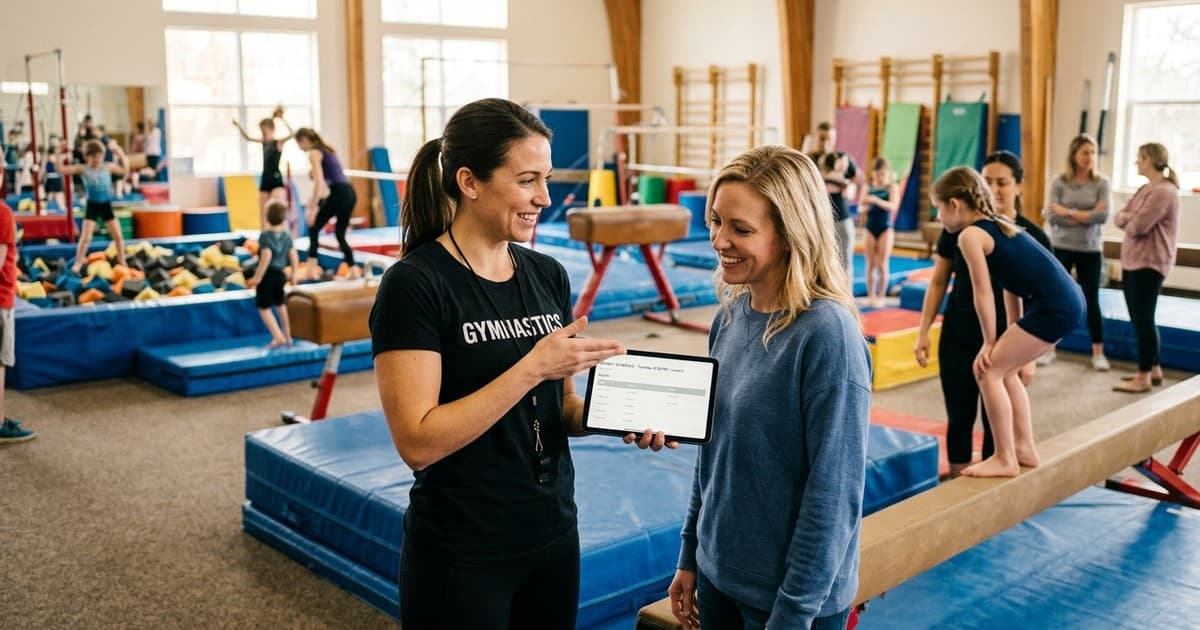
Parent Communication Portals for Gymnastics Clubs
Parent communication is the invisible infrastructure that holds a gymnastics club together. A dedicated parent portal transforms how families interact with your club, from checking badge progress to viewing competition results. This guide covers what to include, how to implement it, and the impact it has on satisfaction and retention.
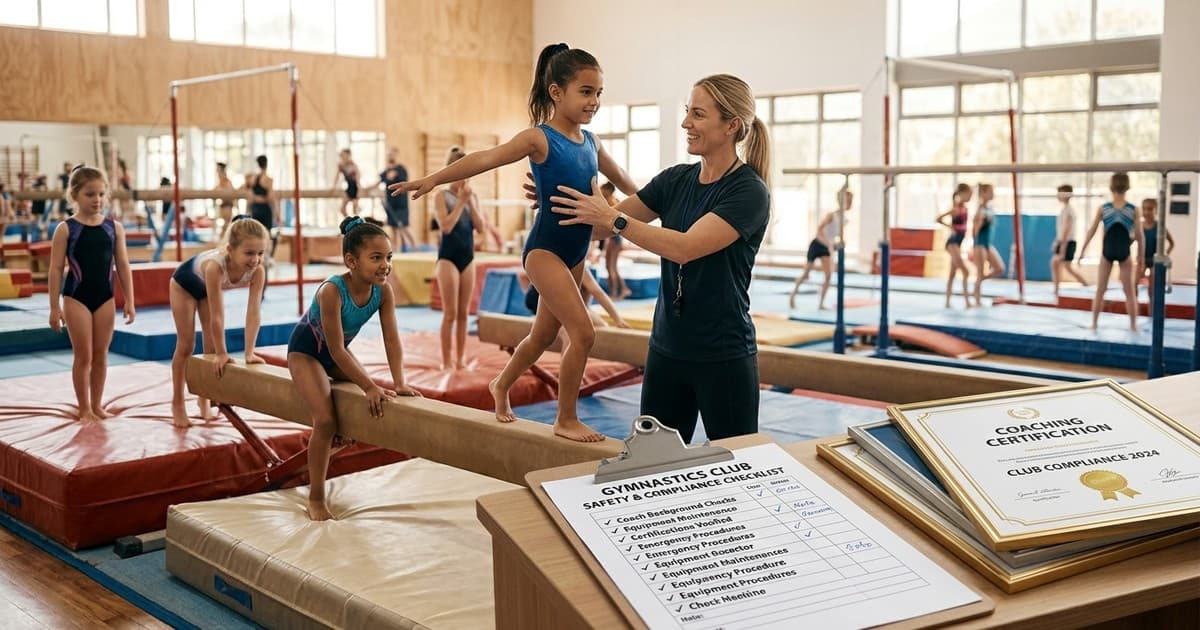
Coach and Compliance Management for Gymnastics Clubs
Compliance management in a gymnastics club is complex because coaches need to maintain multiple credentials simultaneously. British Gymnastics membership, coaching qualifications, DBS checks, safeguarding certificates, first aid, and insurance all have different renewal dates and requirements. This guide covers how to track everything systematically and never let a critical credential lapse.
Tracking Badges and Awards in Gymnastics Clubs
Badge and award tracking in a gymnastics club can quickly become an administrative burden if managed manually. From British Gymnastics proficiency awards to club-specific achievements, this guide covers efficient tracking systems, bulk ordering strategies, and presentation approaches that keep gymnasts motivated and parents informed.
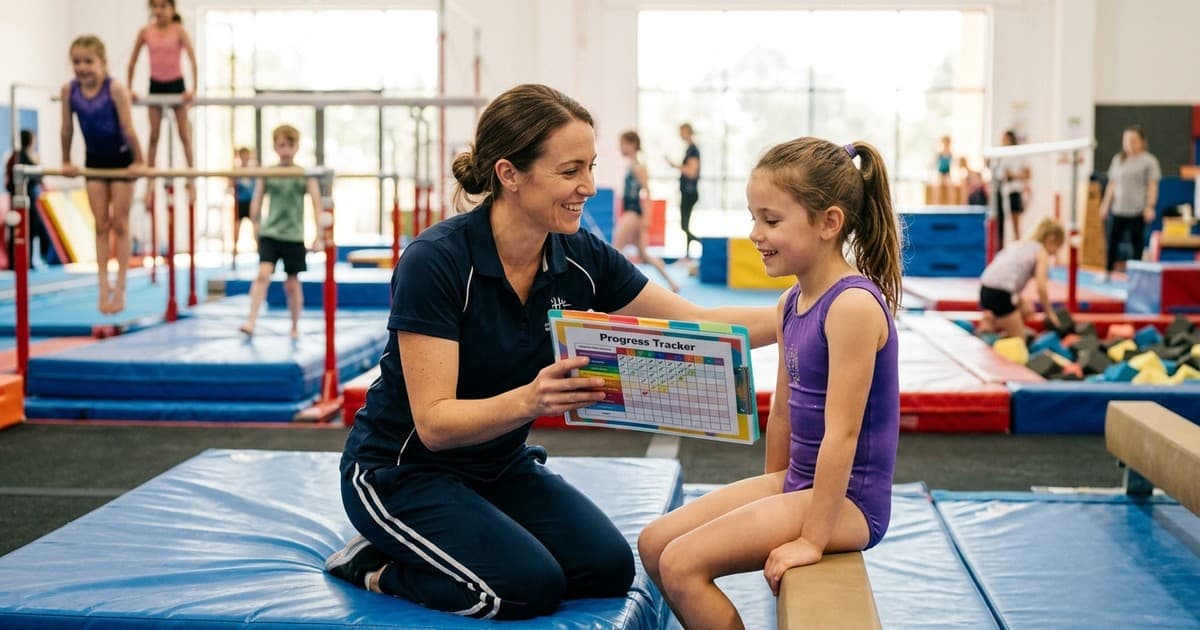
Building a Badge and Award Progression System for Gymnastics
A well-designed progression system gives every gymnast a clear path forward and every parent a reason to keep investing. This guide covers how to build visual progression charts, manage bulk ordering efficiently, create digital certificates, and integrate the entire system into a parent-facing portal.
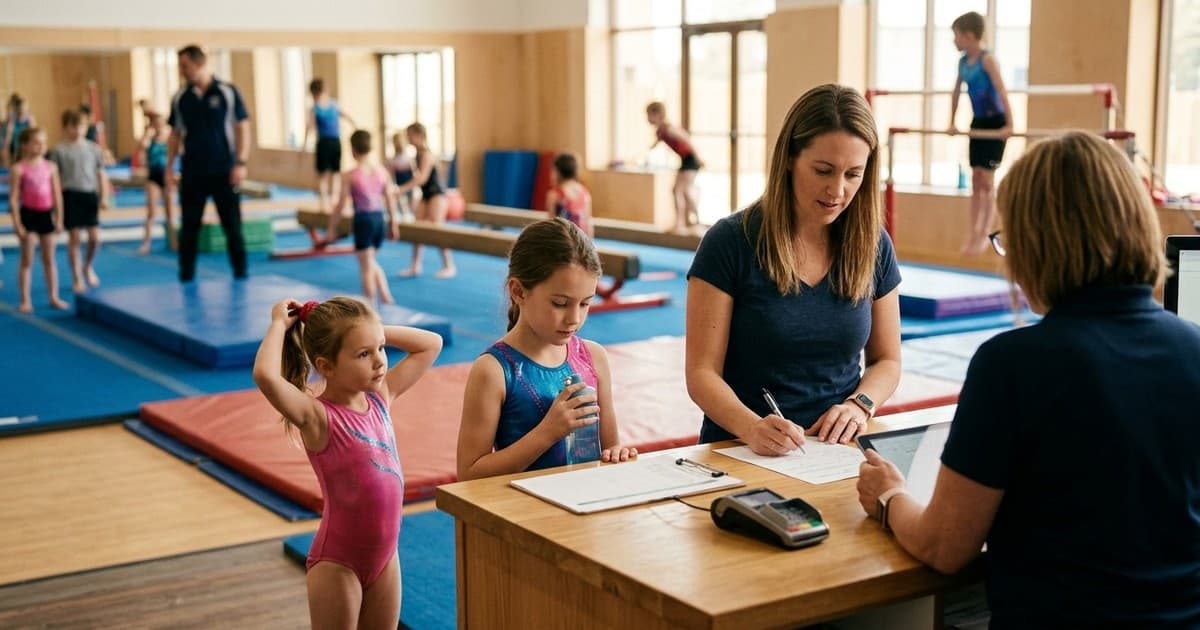
Automating Payment Collection for Gymnastics Clubs
Chasing payments is one of the most time-consuming and uncomfortable tasks in running a gymnastics club. Automating payment collection for squad subscriptions, termly fees, competition levies, and uniform purchases transforms your cash flow and frees up hours of administrative time every month.
Equipment and Apparatus Scheduling for Gymnastics Clubs
Gymnastics is one of the most equipment-intensive sports you can run. Managing apparatus rotation timing, setup and teardown logistics, safety inspections, and shared facility constraints is a daily operational challenge. This guide covers practical scheduling strategies that keep sessions running smoothly and safely.
Managing Ability Group Placement in Gymnastics Clubs
Placing gymnasts into the right ability group is one of the most important operational decisions a club makes. Get it wrong and you risk safety incidents, disengaged children, and frustrated parents. This guide covers structured assessment workflows, taster session design, and communication strategies that build trust.
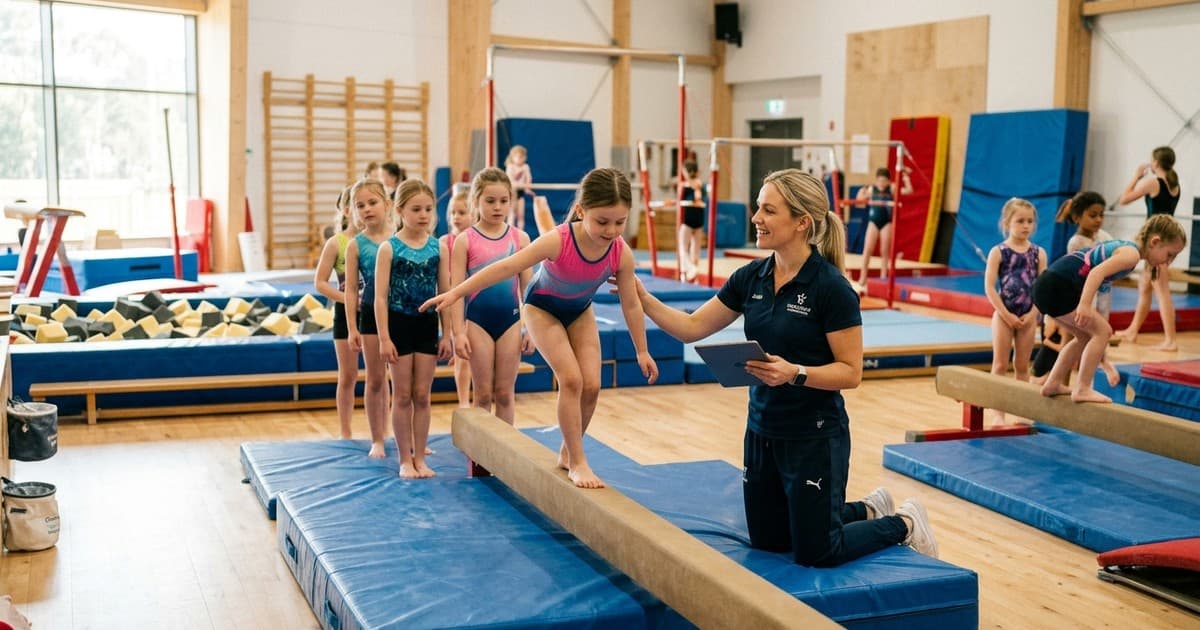
Ability Group Management Systems for Gymnastics Clubs
A well-designed ability group management system transforms how a gymnastics club operates. This guide covers structured criteria frameworks, video-based assessment, trial session workflows, and automated promotion notifications that keep gymnasts progressing and parents informed.
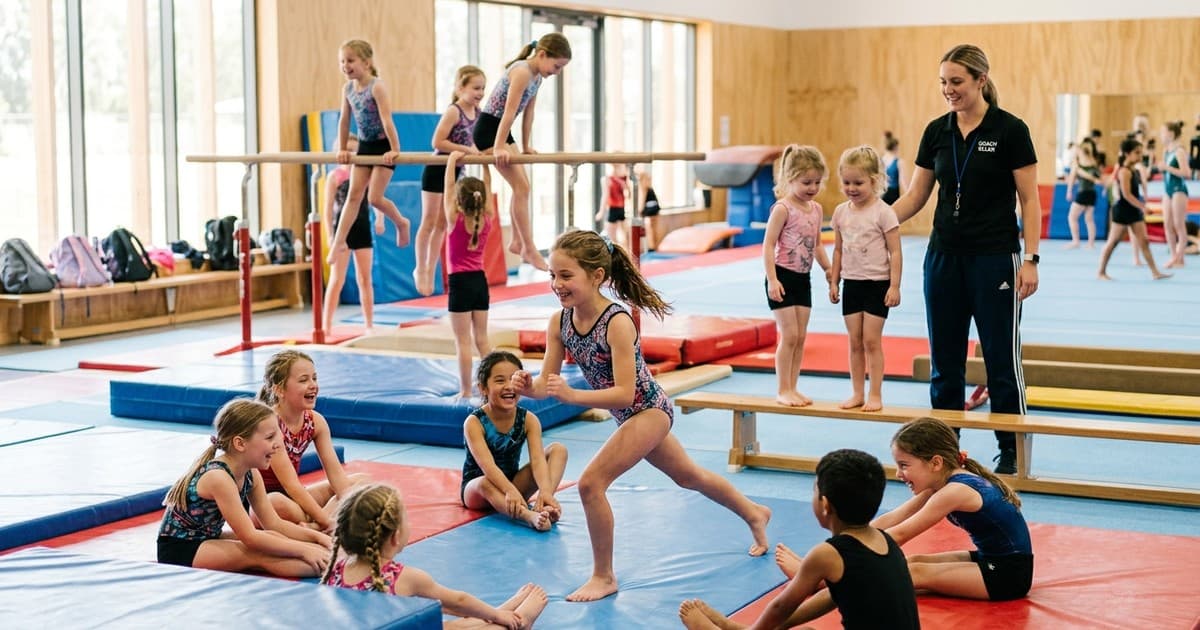
How to Start a Gymnastics Club
Gymnastics is one of the fastest-growing children's activities in the UK, fuelled by Olympic success and growing awareness of its benefits for coordination, strength, and confidence. Here is how to start a club that thrives.
How AMES helps gymnastics providers
Gymnastics Skill Tracking & Ability Group Management
Organise gymnasts into ability groups with clear progression criteria. Build assessment criteria templates for each level so coaches evaluate new and existing gymnasts consistently. Support video assessment uploads so senior coaches can review placements remotely. The trial session workflow guides a new gymnast from initial enquiry through taster class, assessment, and group allocation, keeping parents informed at every step. Coaches can recommend promotions and parents receive notifications when their child moves up.
Gymnastics Badge & Skill Progress Tracking
Track British Gymnastics proficiency awards, club badges, and competition placements in one unified system. Visual progression charts show parents exactly where their child is on the pathway and what skills they need for the next level. Bulk badge ordering integrates directly with your supplier, so you order exactly what you need based on real assessment data. Plan presentation ceremonies with automated parent invitations, and share digital certificates that families can download and print at home.
Direct Debit & Automated Payments
Handle monthly subscriptions for squad gymnasts and termly pay-as-you-go for recreational classes with automatic fee adjustments when children move between groups. Collect competition levies as one-off charges linked to specific events, and manage a uniform and leotard shop where parents can browse, order, and pay without any manual invoicing. Direct debit, card payments, and childcare vouchers are all supported, with clear reporting on outstanding balances across every payment type.
Parent App & Communication Portal
Give parents instant access to their child's badge progress, coach feedback, and upcoming class schedules. Coaches can share short video feedback clips highlighting technique improvements or areas to work on at home. Competition results are published directly to the portal so families see placements and scores without waiting for a newsletter. Training plan visibility lets squad parents understand the weekly structure, and push notifications for promotions and event updates keep everyone informed in real time.
Waiting List & Capacity Management
Manage waitlists intelligently with age and ability matching that ensures the next offered place goes to a gymnast who fits the group. Sibling priority options let families with multiple children move up the list faster, reducing the frustration of split schedules. Auto-allocation rules trigger when a space opens, sending an offer to the next suitable family with a time-limited acceptance window. If they decline, the system moves to the next candidate automatically, filling spaces faster with zero manual intervention.
Coach Management & Registers Compliance
Track British Gymnastics membership status, coaching qualifications, and safeguarding certificates for every member of staff. Each ability group can have minimum coaching level requirements, ensuring only appropriately qualified coaches lead sessions at that standard. Log CPD hours and professional development activities so coaches can see their progress toward requalification. Automated renewal reminders flag expiring credentials weeks in advance, keeping your club compliant without last-minute scrambles.
Ready to level up your gymnastics club?
See how AMES can automate bookings, payments, and communication for your gymnastics business.
Book a Demo