Drama Management Software
Schedule rehearsals and workshops, manage auditions and casting, track LAMDA and Trinity exam progress, and coordinate everything from weekly classes to end-of-term productions.
AMES integrates LAMDA and Trinity exam tracking directly into your drama school workflow, managing the full production lifecycle from auditions and casting through rehearsals to performance night. Whether you run youth theatre workshops or professional performing arts training, every administrative detail is handled so you can focus on the craft.
UK Governing Body
London Academy of Music & Dramatic Art (LAMDA)
Typical Pricing
£7-£15 per class
Class Size
10-20 students
Challenges drama businesses face
Production logistics overload
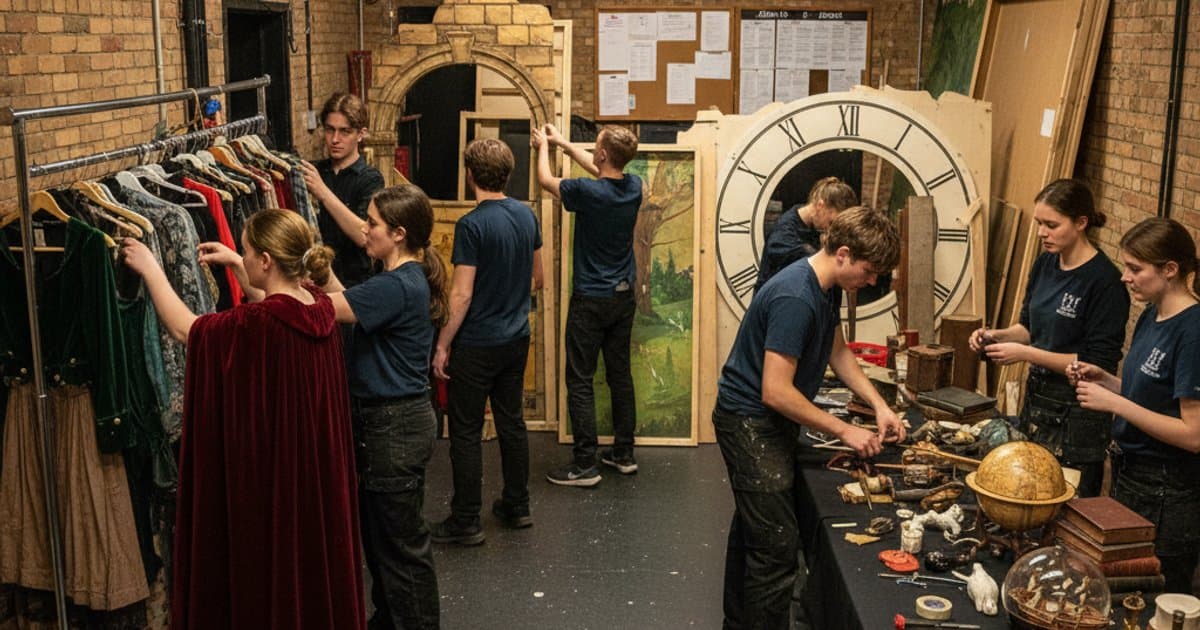
Staging an end-of-term production means juggling far more than rehearsals and line-learning. Props need sourcing, cataloguing, and assigning to scenes, while set-building timelines must align with venue access windows that are often limited to the final fortnight. Licensing for scripted shows requires rights clearance weeks before the first performance, and missed deadlines can force a last-minute script change. Programme printing needs cast bios, headshots, and sponsor logos collated with enough lead time for proofing. Front-of-house volunteer rotas must cover ticketing, ushering, and interval refreshments, each with their own briefing. Tech crew scheduling for lighting, sound, and stage management adds another layer, especially when crew members are also students performing in other scenes. Without a centralised system, critical tasks surface too late to fix.
Mixed-age group timetabling
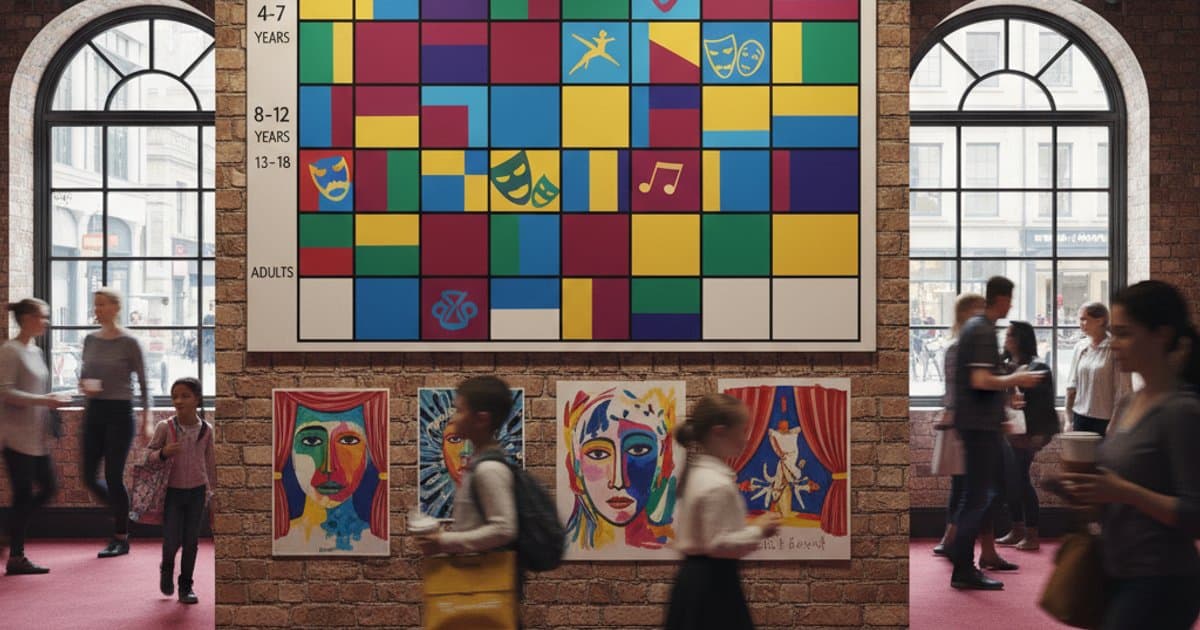
Drama schools routinely teach students ranging from age four to eighteen, and timetabling across that spread involves far more than avoiding room clashes. Safeguarding requirements govern how different age groups can be mixed, with younger children needing separate waiting and changing areas from teenagers. Content ratings matter too: a devised piece exploring mature themes cannot share a workshop space or rehearsal slot with a junior group, and parental consent must be collected before exposing under-sixteens to age-restricted material. Some families want siblings in back-to-back sessions to reduce trips, but age-appropriate grouping and staff-to-student ratios limit flexibility. Every timetable change triggers a cascade of safeguarding checks, room reassignments, and parent notifications.
LAMDA and exam preparation
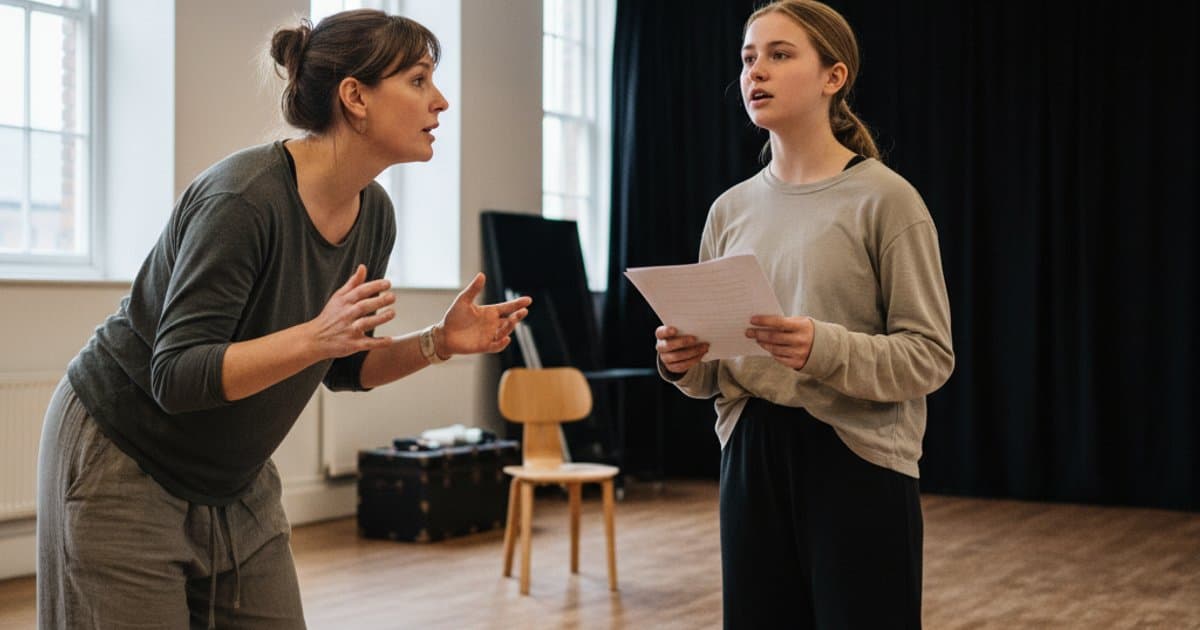
LAMDA offers distinct streams including Acting, Musical Theatre, and Verse and Prose, each with its own syllabus requirements, marking criteria, and entry deadlines. A student entered for Grade 5 Acting needs two contrasting monologues, while a Musical Theatre candidate at the same level needs a song and a scene. Paired exam entries add coordination complexity, as both students must be equally prepared and available on the exam day. Self-taping options, introduced as a permanent alternative to in-person assessment, require recording setup, quality checks, and submission tracking against LAMDA's technical specifications. Examiner visit scheduling must align with your venue availability, and multiple exam boards running on different calendars means overlapping preparation windows. Tracking readiness across dozens of students sitting different grades in different streams overwhelms any manual system.
Attendance and commitment tracking
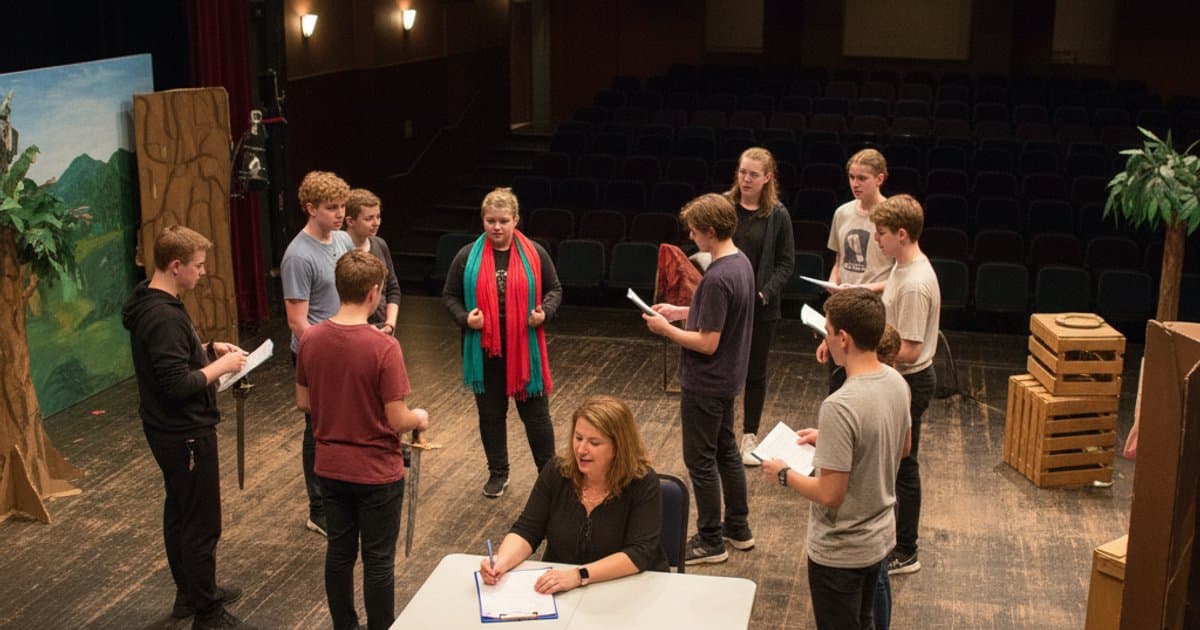
When a show is in production, attendance becomes critical in ways that go beyond normal class registers. Understudies need adequate rehearsal time to be genuinely performance-ready, not just familiar with the script, and tracking their attendance separately from the principal cast is essential. Ensemble numbers directly affect blocking and staging: if three members of a chorus scene are absent, the choreography breaks down and rehearsal time is wasted re-spacing. Parent commitment forms for show season set expectations around attendance, but enforcing them without clear data is difficult. Dress rehearsal attendance is non-negotiable for most schools, yet chasing confirmations manually consumes hours. Without centralised tracking linking attendance to casting, directors cannot make informed decisions about readiness.
Guides and articles for drama businesses
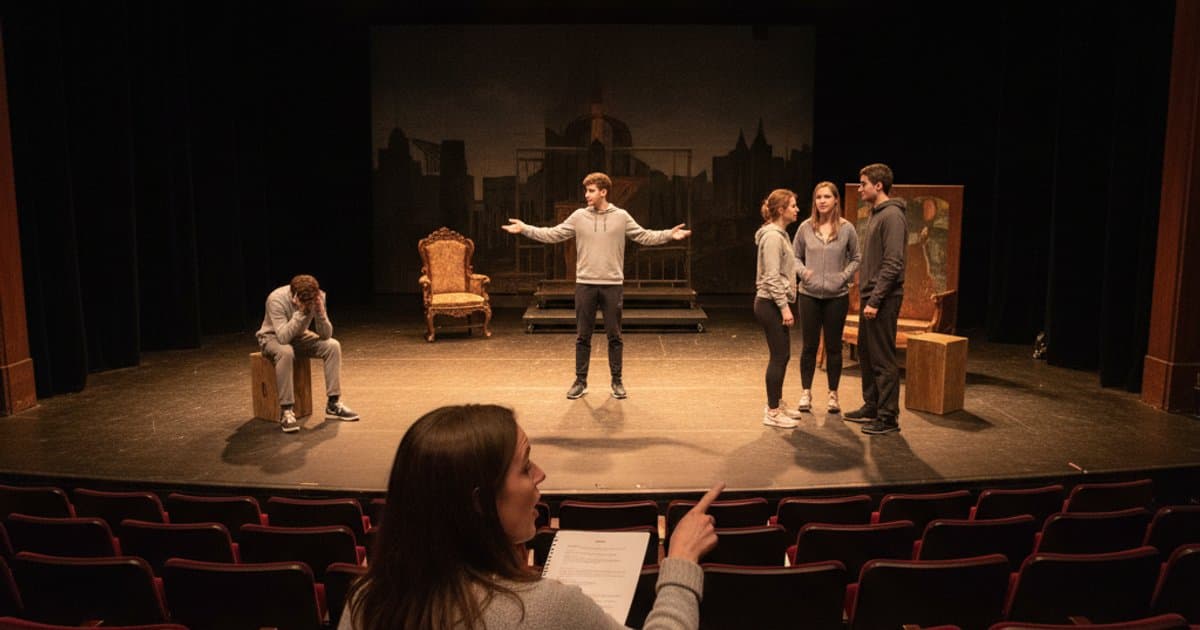
Rehearsal and Class Scheduling for Drama Schools
Drama schools face a scheduling challenge that almost no other children's activity encounters: the need to layer intensive production rehearsals over an existing timetable of regular classes without burning out students, staff, or parents. This guide covers practical approaches to scene-based scheduling, cast call sheets, and parent coordination.
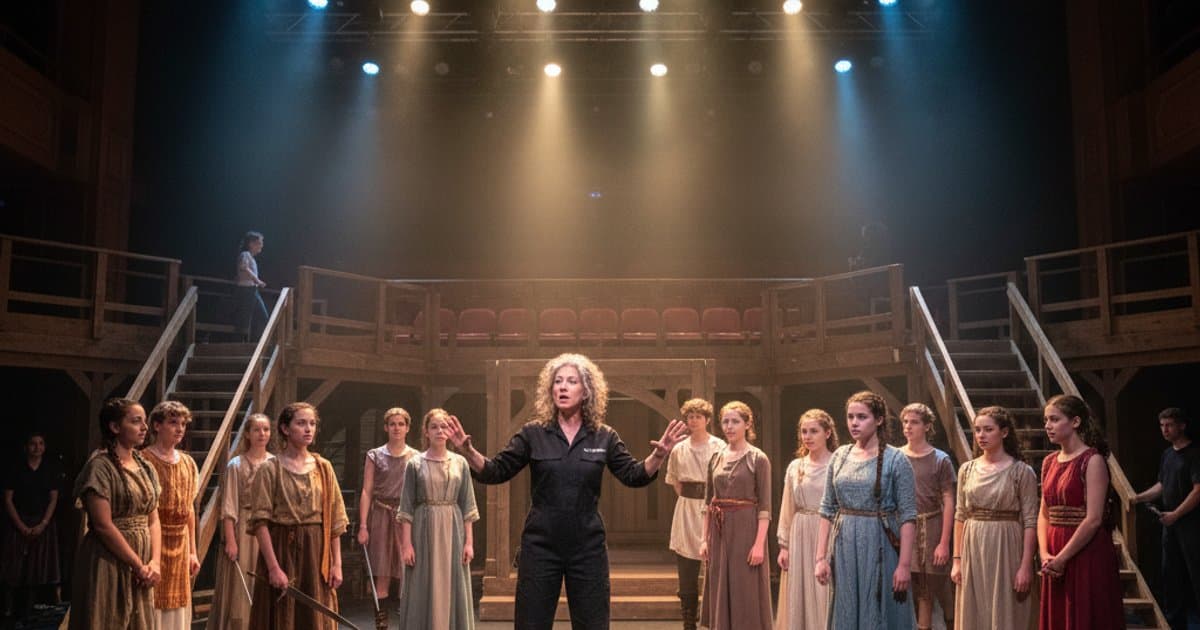
Production Management Systems for Drama Schools
A drama school production involves hundreds of moving parts, and the schools that run them smoothly are the ones with systems rather than heroics. This guide covers how to build production management systems for prop inventory, licensing compliance, digital programmes, box office integration, and post-production archiving.
Managing Production Logistics for Drama Schools
Staging a production is the pinnacle of any drama school's year, but the logistics behind it can overwhelm even experienced providers. This guide covers every backstage element from props sourcing and set construction through to licensing, programme printing, front-of-house operations, and tech crew management.
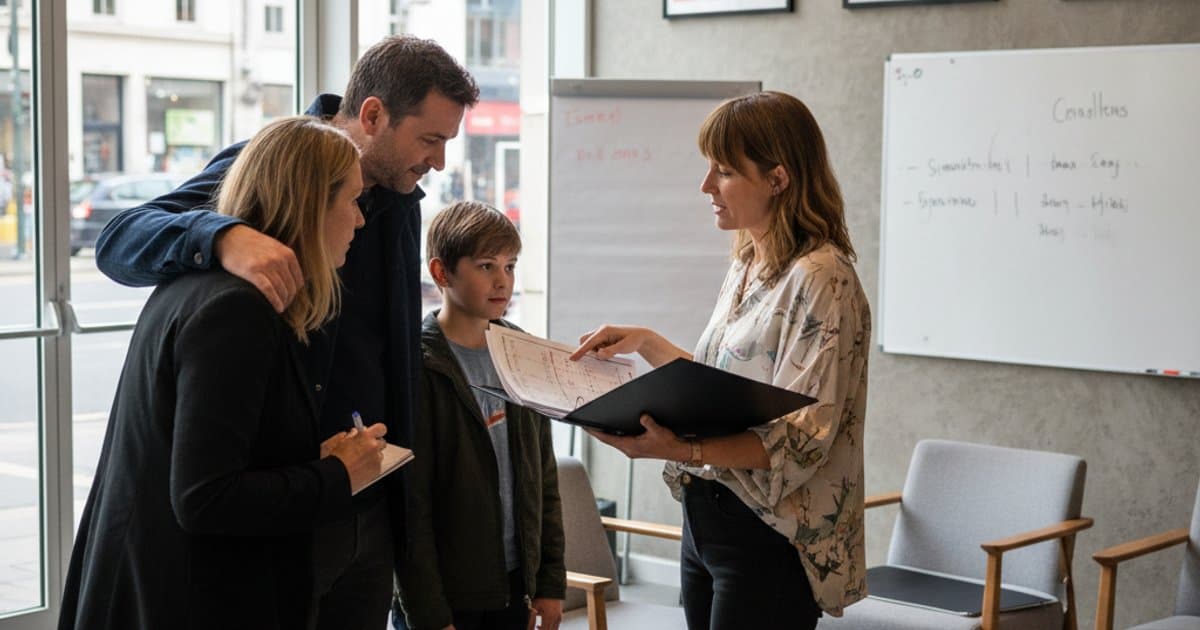
Building a Parent Communication Portal for Drama Schools
Drama schools generate more parent communication than almost any other children's activity. Between rehearsal schedules, costume requirements, script distribution, performance logistics, and the inevitable last-minute changes, the volume of information flowing between school and home is relentless. This guide covers how to centralise that communication through a parent portal that saves time for everyone.
Mixed-Age Group Timetabling for Drama Schools
Drama schools frequently need to timetable sessions that bring together children of different ages, whether for ensemble productions, musical theatre workshops, or simply because demand does not justify separate classes for every year group. This guide covers the safeguarding, practical, and scheduling challenges of mixed-age timetabling.
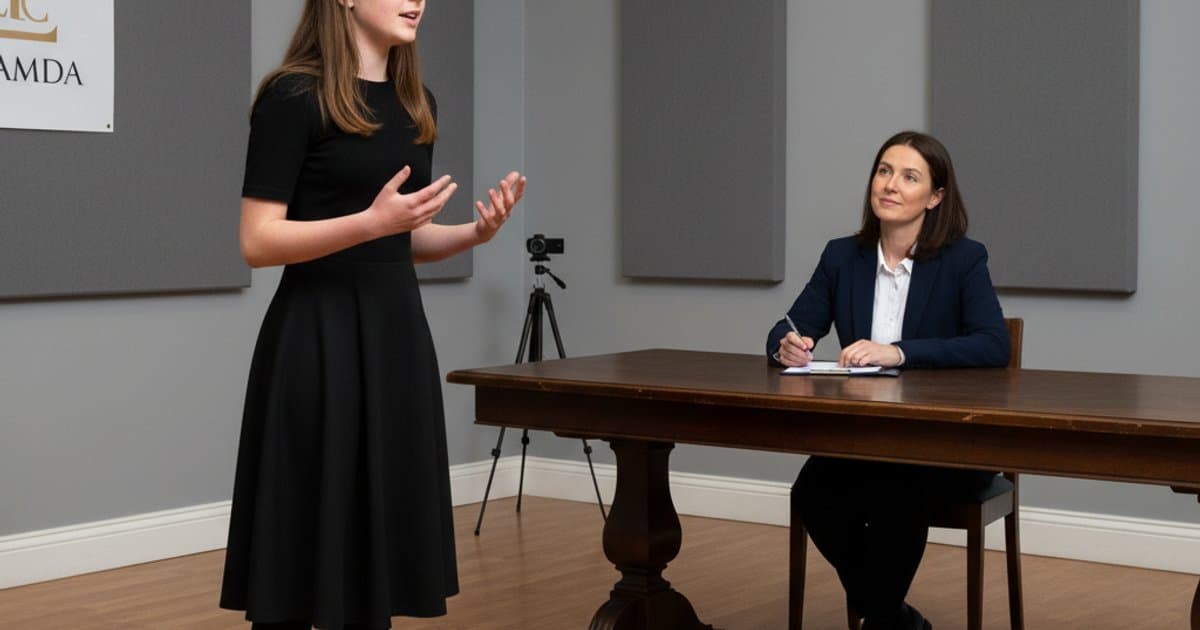
Managing LAMDA and Exam Progression in Drama Schools
Running a successful LAMDA programme is not just about preparing individual students for individual exams. It requires a systematic approach to tracking progression across grades, managing piece selection to avoid repetition, assessing readiness before entry, and using results data to improve your teaching. This guide covers the operational side of managing LAMDA progression at scale.
LAMDA and Exam Preparation for Drama Schools
LAMDA examinations are a cornerstone of structured drama education in the UK. This guide covers how to prepare students across the Acting, Musical Theatre, and Verse and Prose streams, manage self-taping submissions, coordinate paired and group entries, and schedule examiner visits efficiently.

Instructor and Safeguarding Compliance for Drama Schools
Drama schools operate in a regulatory environment that is more complex than many activity providers realise. Beyond standard DBS checks, drama schools must navigate chaperone licensing for performances, licence-to-perform requirements for children in public shows, and specific rules about physical contact, emotional content, and the unique power dynamics of director-student relationships. This guide covers every compliance area a drama school must address.
Automating Payment Collection for Drama Schools
Drama schools deal with a more complex range of fees than most children's activity providers. Term fees, production levies, costume contributions, workshop deposits, LAMDA exam fees, and the occasional bursary create an administrative tangle that manual processes simply cannot manage at scale. This guide covers how to automate your payment collection and eliminate the hours spent chasing unpaid invoices.
Attendance and Commitment Tracking for Drama Schools
Attendance in a drama school is not just an administrative exercise. It directly affects casting decisions, understudy readiness, production quality, and the experience of every other student in the room. This guide covers practical approaches to tracking attendance, managing commitment, and handling the inevitable absences that disrupt rehearsal schedules.

How to Start a Children's Drama School in the UK
Running a children's drama school combines creative fulfilment with genuine business potential. This guide covers qualifications, exam board registration, venue requirements, curriculum design, performance licensing, and the practical steps to building a thriving drama programme.
How AMES helps drama providers
Online Bookings & Class Booking System
Build your weekly timetable around workshops, technique classes, and ensemble sessions, then layer in production rehearsals as show season approaches. Scene-by-scene rehearsal planning lets directors call only the cast members needed for each session, reducing wasted time for students not in those scenes. Generate call sheets grouped by cast, and share them directly to parent dashboards. For late rehearsals, parent pick-up coordination tools send automated collection reminders with confirmed finish times so no child is left waiting.
LAMDA & Trinity Exam Tracking
Track every student through LAMDA Acting, Musical Theatre, Verse and Prose, or Trinity exam pathways with built-in syllabus checklists per grade. Teachers log exam piece selections against each entry, so you always know who is performing what. Self-tape submissions are managed within the platform, with upload tracking and quality review notes before final submission. Exam readiness assessments let teachers flag students as ready, nearly ready, or needing more time, giving principals a clear picture of who should be entered for the next session.
Automated Payments & Direct Debit
Collect term fees, workshop charges, and exam entry fees without manual chasing. Production levies covering costumes, set materials, and licensing costs are added as separate line items and collected alongside regular fees. Workshop deposits secure places in popular holiday courses with automatic balance reminders before the start date. Bursary and scholarship tracking applies configured discounts at checkout, maintaining a clear audit trail so you know exactly who receives financial support and how much has been allocated each term.
Parent App & Communication Portal
Give families a single hub for everything related to their child's drama education. Distribute scripts securely through the portal so every student has the latest version without loose photocopies. Push rehearsal schedule notifications directly to parent devices as dates are confirmed or changed. Share costume requirement checklists that parents can tick off as items are sourced. On performance day, publish logistics including arrival times, backstage access points, seating allocation, and parking information, all in one place.
Production & Show Ticketing
Plan every production from first read-through to final curtain call. Maintain a prop and set inventory with photos, storage locations, and condition notes so items carry over between shows. Track licensing compliance with reminders for rights renewal deadlines and performance reporting obligations. Build digital programmes with cast bios, headshots, and sponsor logos pulled directly from student and partner records. Integrate box office sales with seat maps and family group booking to manage ticket allocation and front-of-house planning from the same screen.
Chaperone, DBS & Safeguarding Compliance
Manage teacher qualifications, DBS check expiry dates, and specialist skills across acting, voice, movement, and musical theatre disciplines. For performances, chaperone ratio tracking ensures you meet local authority requirements based on the number and ages of children involved. License-to-perform documentation for young performers is tracked per student per production, with automated reminders when applications need submitting. Working with children regulation compliance is maintained centrally, so every adult involved in your school has verified, up-to-date clearance visible at a glance.
Ready to transform your drama school?
See how AMES can automate bookings, payments, and communication for your drama business.
Book a Demo