The Gymnastics Opportunity
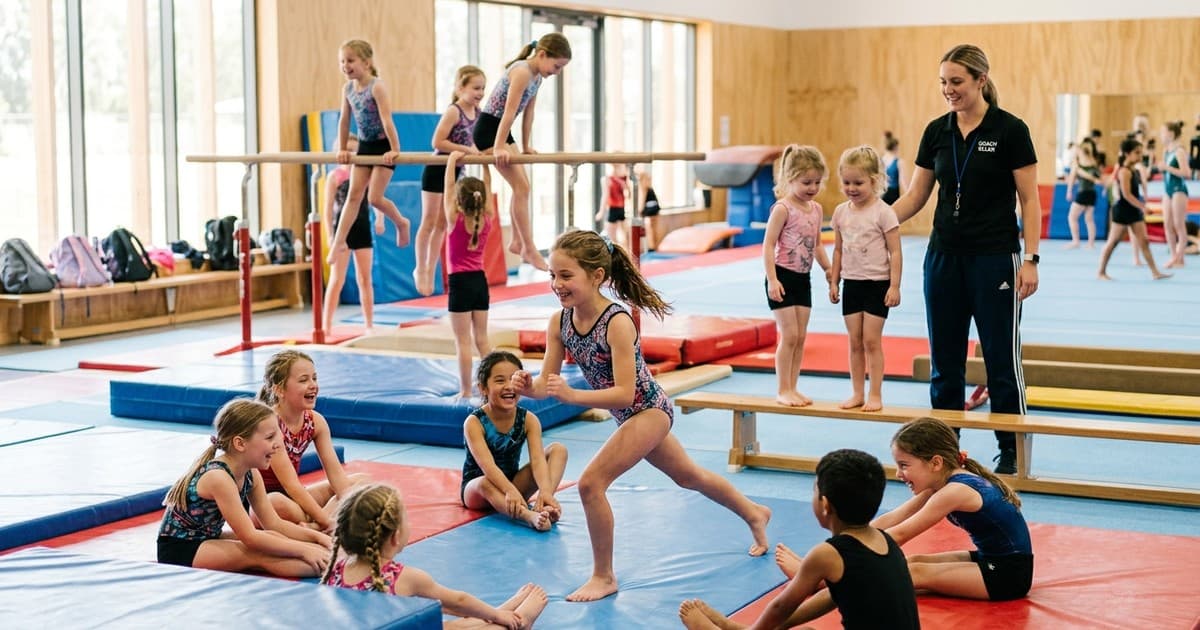
British Gymnastics membership has grown significantly over the past decade, and demand for recreational gymnastics classes consistently outstrips supply in most areas. Parents recognise that gymnastics builds coordination, strength, flexibility, and confidence in a way that few other activities can match.
The challenge is that gymnastics has higher setup costs than many other activities, primarily because of equipment. But there are ways to start lean and scale as your club grows.
British Gymnastics Membership
British Gymnastics (BG) is the national governing body, and affiliation is effectively essential. Club membership gives you:

- Access to the BG Proficiency Awards and Badge Scheme, which provide a recognised progression framework
- Insurance cover (public liability and professional indemnity) through the BG policy
- DBS checking services
- Access to coaching qualifications and CPD
- Listing on the BG club finder
- Competition entry for your gymnasts who wish to compete
Club affiliation costs vary depending on your club size and the level of cover you need. Individual gymnast membership (required for each participant) is currently around £40 per year.
Coaching Qualifications
British Gymnastics has a structured coaching pathway:
- Level 1 Assistant Coach: Enables you to assist a qualified coach. Minimum entry point for helpers and volunteers.
- Level 2 Coach: The standard qualification for leading sessions independently. Covers general gymnastics coaching for recreational and pre-school groups. This takes approximately 6-8 days of training plus practical assessment.
- Level 3 Club Coach: Required for coaching competitive gymnasts. More advanced technical and planning skills.
- Discipline-specific qualifications: Artistic, rhythmic, trampoline, tumbling, acrobatic, and TeamGym each have their own coaching pathways at higher levels.
All coaches also need an enhanced DBS check, safeguarding training (BG provides this), and a first aid qualification.
Equipment: Starting Smart
Equipment is the biggest barrier to entry for gymnastics. A fully equipped dedicated gymnasium can cost £50,000-£200,000+ to fit out. But you do not need all of that to start.
Essential Equipment for a Startup Club
- Floor mats (crash mats, panel mats, gymnastic matting): £2,000-£5,000 to start
- Low balance beams (floor-level and low-height): £200-£800 each
- Springboard: £300-£600
- Vaulting table or box (adjustable height): £1,000-£3,000
- Incline mats and wedges: £100-£400 each
- Air track (inflatable tumbling track): £300-£1,500, excellent for beginners
A realistic startup equipment budget for a recreational club running 6-10 classes per week is £5,000-£15,000. Buy quality safety equipment (mats and landing areas) first. You can add apparatus progressively as revenue grows.
Equipment Storage
If you are hiring a hall rather than using a dedicated facility, equipment storage and setup time are major considerations. A full setup and teardown for each session can take 30-45 minutes. Factor this into your venue hire costs and scheduling.
Safety Standards
Gymnastics has higher inherent risk than many children's activities, and your safety standards must reflect this:
- Equipment inspection: All equipment should be inspected before every session and formally serviced annually by a qualified engineer
- Risk assessments: Written risk assessments for every activity and piece of equipment, reviewed regularly
- Spotter training: All coaches must be trained in correct spotting techniques for the skills they teach
- Warm-up and conditioning: Every session must include appropriate warm-up and conditioning. Gymnastics places significant demands on joints and muscles.
- Ratios: British Gymnastics recommends a maximum of 1 coach to 16 gymnasts for recreational classes, but lower ratios (1:8 to 1:12) are better practice, especially for younger children and more advanced skills
Venue Considerations
- Ceiling height: At least 4 metres for recreational gymnastics, 5-6+ metres if you plan to offer trampoline or high bar
- Floor surface: Sprung flooring is ideal. Gymnastics on a hard floor, even with mats, increases injury risk. If sprung flooring is not available, use thick crash mats and air tracks for tumbling.
- Size: Minimum 150 square metres for a recreational class, ideally 200+ to accommodate equipment layouts
- Storage: Secure on-site storage for equipment saves setup time and protects your investment
The Competition Pathway
While most of your gymnasts will be recreational, offering a competition pathway adds prestige and retention:
- BG Compulsory Grades: Structured routines at defined levels, suitable for club gymnasts
- Floor and Vault competitions: Good entry point for competitive gymnastics
- Regional and national championships: For gymnasts on the development pathway
Competition-track gymnasts train more hours per week (8-16+ hours vs 1-2 for recreational), generating significantly more revenue per gymnast. Even a small competitive squad adds credibility to your club.
Actionable Takeaways
- Register with British Gymnastics and complete your Level 2 coaching qualification if you have not already.
- Start with a realistic equipment budget. Quality mats and basic apparatus first, additional pieces as revenue allows.
- Prioritise a venue with adequate ceiling height and storage. Setup and teardown time is hidden cost that erodes your margins.
- Build your recreational base first, then add a competition squad once you have 100+ regular gymnasts and at least one Level 3 coach.