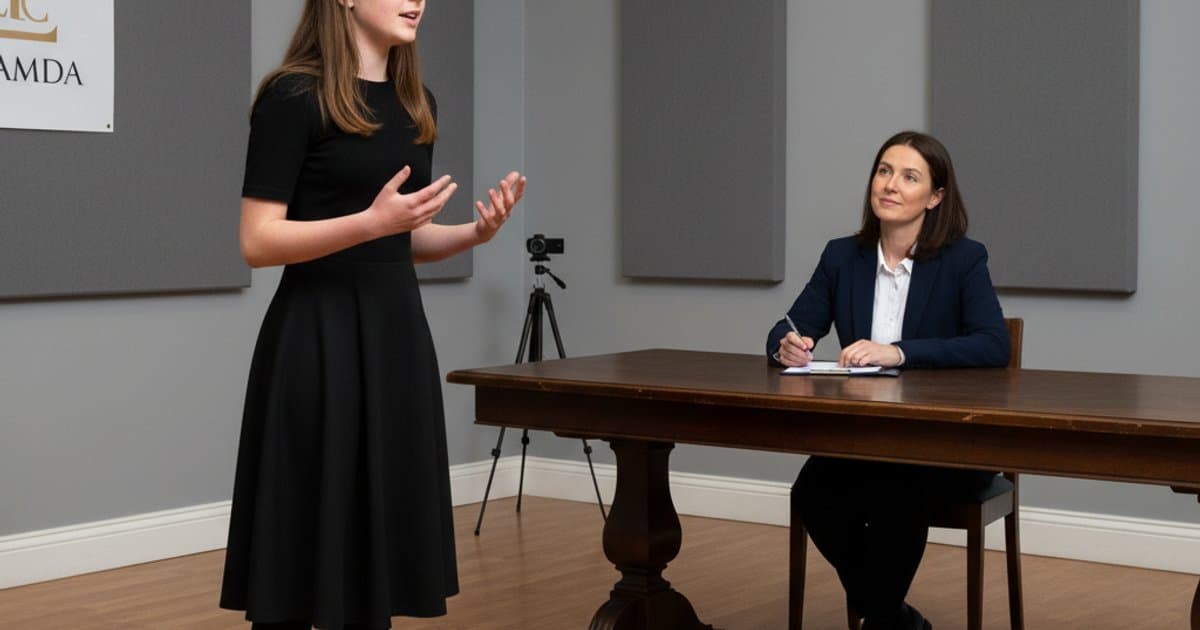
From Individual Exams to a Progression System
Many drama schools treat LAMDA entries as one-off events: a student wants to take an exam, you prepare them, they sit it, and you move on. This works when you have a handful of exam candidates, but it becomes chaotic once you have dozens of students at different grades across multiple streams. Entries are missed, pieces are repeated, students skip grades they are not ready for, and there is no overview of how your LAMDA programme is performing as a whole.
Moving from ad hoc entries to a structured progression system transforms your LAMDA offering from an optional extra into a core part of your curriculum. It gives parents a clear pathway they can see their child progressing along, it gives students achievable short-term goals, and it gives you the data to demonstrate that your teaching produces measurable outcomes.
Syllabus Checklists and Grade Readiness
Each LAMDA grade has specific requirements and assessment criteria. Building these into a checklist system means you can track each student's preparation systematically rather than relying on a teacher's mental model of where they are.
What to Track Per Student Per Grade
- Pieces selected: Title, author, source publication, whether from the recommended list or own choice.
- Lines learned: Percentage learned and date fully memorised. This is a binary milestone: either they know the piece or they do not.
- Blocking and staging: Has the physical performance been set? Is movement purposeful and repeatable?
- Character and context work: From Grade 4 upwards, candidates must answer questions. Track whether they can discuss the character, the play, and the playwright with confidence.
- Technical skills: Vocal clarity, projection, pace variation, use of pause. These are cumulative skills but each grade emphasises different aspects.
- Mock examination: Has the student completed at least one full run-through under exam conditions? Record the date and any notes.
Readiness Assessment
Not every student who wants to take an exam is ready to take it. Entering a student who is underprepared does them a disservice: a poor result is demoralising, and the experience of failing an exam can put a student off performing for years. Implement a readiness gate before every entry:
- The teacher formally assesses whether the student meets the criteria for the grade.
- If ready, the student is entered.
- If not ready, the teacher has a constructive conversation with the student and parent about what needs to improve and when the next entry window will be.
- Document this decision. Parents who are told their child is not ready deserve a clear explanation and a timeline, not a vague "not yet."
It is better to delay an entry by one term and achieve a distinction than to enter on schedule and scrape a pass. Exam results reflect on your school as much as on the student.
Piece Selection Management
Over the life of a student's LAMDA journey from Entry Level to Grade 8, they will perform a significant number of pieces. Managing this repertoire is important for several reasons.
Avoiding Repetition
A student who performs a Shakespeare monologue at Grade 5 should not perform another Shakespeare monologue at Grade 6 unless there is a compelling pedagogical reason. Breadth of repertoire demonstrates versatility, and examiners notice when a school consistently enters students with the same pieces. Maintain a piece register that records every piece every student has performed, so teachers can check before selecting new material.
Building a Piece Library
Over time, build a library of pieces that your teachers know work well at each grade level. Organise them by grade, stream (Acting, Musical Theatre, Verse and Prose), gender suitability, theme, and period (classical versus contemporary). Include notes on which students have performed each piece and how they scored, so teachers can make informed selection decisions.
Own Choice Versus Recommended List
LAMDA provides a recommended repertoire list for each grade but allows own-choice pieces that meet the syllabus criteria. Own-choice pieces can give students a competitive edge by presenting something fresh that the examiner has not seen ten times that day. However, they also carry more risk: if the piece does not actually meet the assessment criteria, marks will suffer. Have a senior teacher approve all own-choice selections before preparation begins.
Self-Tape Management
If your school offers self-taped LAMDA submissions, you need a workflow for managing the recording, review, and submission process.
Recording Workflow
- Scheduling: Block out self-tape recording sessions in your timetable. Allow 20 to 30 minutes per student per piece at lower grades, 30 to 45 minutes at higher grades.
- Technical setup: Maintain a consistent recording setup (camera position, background, lighting, microphone) that meets LAMDA's technical specifications. Document your setup with photos so it can be replicated exactly each time.
- Takes and selection: Allow up to three takes per piece. The teacher selects the best take. Students should not be involved in selecting their own takes, as they will invariably choose based on how they felt rather than how they looked.
- Review: The directing teacher reviews the selected takes within 48 hours and either approves them for submission or schedules a retake session.
- Submission: Upload approved recordings through the LAMDA portal by the deadline, with at least three working days' margin for technical issues.
File Management
Name files consistently: StudentName_Grade_Stream_PieceNumber_Date. Store all recordings for at least 12 months after results are released, as they may be needed if results are queried. A cloud storage solution shared between your teaching team is essential; recordings stored on a single teacher's phone are a disaster waiting to happen.
Result Recording and Analysis
LAMDA results are graded as Distinction, Merit, Pass, or (rarely) Fail, with a numerical mark out of the maximum for each grade. Recording these results systematically gives you powerful data about your programme's effectiveness.
What to Record
- Student name, grade, stream, date, and result (grade and numerical mark)
- Pieces performed
- Whether the exam was face-to-face or self-taped
- The examiner's written feedback (transcribe the key points from the feedback form)
- The teacher who prepared the student
Analysing Your Results
At the end of each examination session, review your results as a teaching team:
- Overall pass rate and distinction rate: How does this compare to previous sessions? The national LAMDA distinction rate is approximately 40 to 50 percent. If your school is consistently below this, investigate why.
- Results by teacher: Are some teachers consistently producing stronger results? What can others learn from their approach?
- Results by grade: Is there a particular grade where results dip? This may indicate a curriculum gap at that level.
- Results by stream: Are your Musical Theatre results weaker than your Acting results? This may highlight a need for additional vocal coaching resources.
- Self-tape versus face-to-face: Are results different between the two modes? This can inform your recommendation to parents about which option to choose.
Share aggregated results data with parents (not individual comparisons, but overall school performance). A drama school that can say "92% of our LAMDA candidates achieved Distinction or Merit last year" has a powerful marketing message.
Key Takeaways
- Build a checklist system for each grade that tracks pieces, memorisation, context work, and technical skills.
- Implement a readiness gate before every exam entry. Never enter a student who is not prepared.
- Maintain a piece register to avoid repetition and build a library of proven material organised by grade and stream.
- Control self-tape recording centrally with a consistent technical setup and clear file naming conventions.
- Record all results with examiner feedback and analyse them each session to identify strengths and gaps in your teaching.
- Use aggregated results data as a marketing asset to demonstrate the quality of your LAMDA programme.