The Stakes of a Grading Event
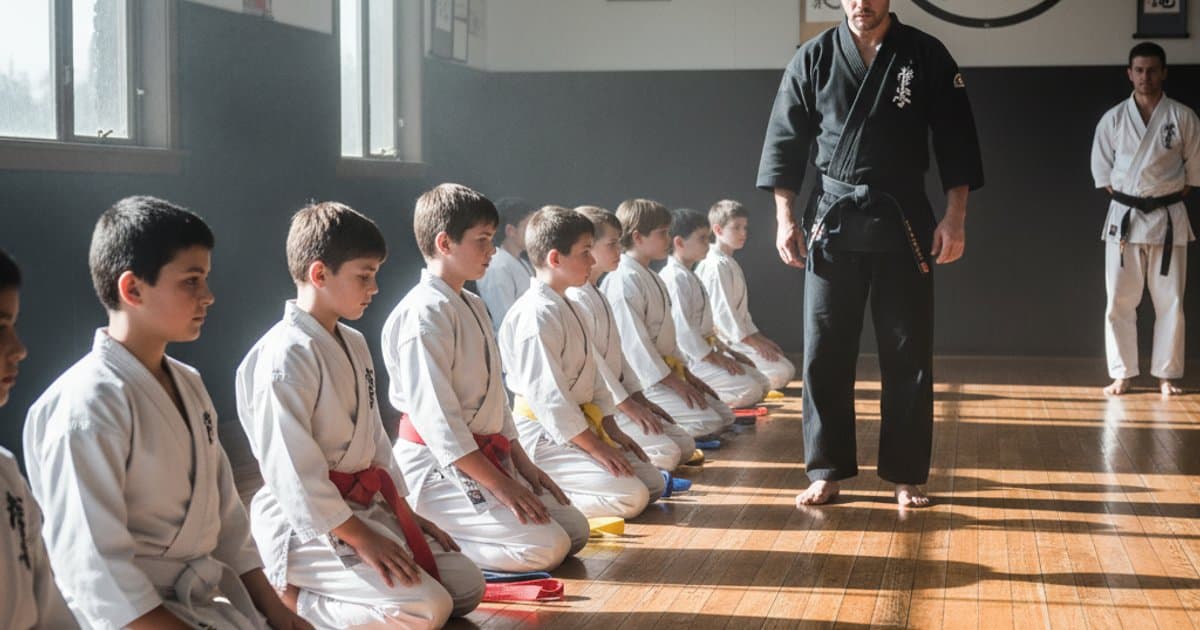
A grading event is the most visible expression of your school's standards and professionalism. Students have trained for months preparing for this day. Parents have invested in fees, equipment, and the time to bring their child to training. The examiner is assessing not just the students but, implicitly, the quality of your teaching. When a grading runs smoothly, everyone leaves with a positive impression. When it runs poorly, with long waits, disorganised running orders, unclear results, or administrative confusion, the damage to your reputation extends far beyond the event itself.
This guide covers the end-to-end process of managing a grading event, from identifying eligible candidates to communicating results and updating records.
Building the Eligible Student List
Automated Eligibility Generation
The starting point for any grading event is a list of students who meet the eligibility criteria for their next grade. As covered in the Belt and Grading Progression article, these criteria typically include minimum time since last grading, minimum attendance, technique checklist completion, and instructor recommendation.
Your management system should generate this list automatically. Filter by discipline (you may be running a karate grading, a judo grading, or both on the same day), by grade range (the grading may cover all kyu grades or only specific levels), and by age group if you are running separate junior and adult examinations.
Instructor Review and Confirmation
Automated eligibility is a starting point, not a final answer. Every instructor who teaches the eligible students should review the list and confirm or defer each candidate. An instructor might defer a student who meets the attendance and time criteria but whose technique is not yet at the required standard. Equally, an instructor might recommend an exception for a student who narrowly misses the attendance threshold but has trained intensively in recent weeks.
Build this review into your workflow with a clear deadline, typically two weeks before the grading date. Instructors log into the system, review their students, and confirm or defer each one with a brief note. After the deadline, the list is finalised and no further changes are accepted.
The instructor review stage is the human quality gate. No automated system can fully assess whether a student is ready to grade. The instructor's judgement, informed by weeks of direct observation, is irreplaceable.
Examiner Scheduling and Coordination
Internal vs External Examiners
Many martial arts organisations allow club-level grading for lower grades, where the head instructor acts as examiner. For higher kyu grades and all dan grades, an external examiner is typically required. In karate, organisations like the JKA England, KUGB, and EKF mandate qualified examiners for dan gradings. In judo, the BJA allows club coaches to award mon grades and lower kyu grades but requires area examiners for higher grades.
For internal gradings, the logistics are simpler because your head instructor is already on site. For external examiner gradings, the coordination requirements are more significant.
Examiner Booking Checklist
- Contact the examiner 6 to 8 weeks before the event: Provide the proposed date, venue, approximate number of candidates, and grade range.
- Confirm the booking in writing: Email confirmation with all details, including the examiner's fee and any travel expenses you are covering.
- Send the finalised candidate list one week before: Include each candidate's name, current grade, grade being examined, age, and any relevant notes (e.g., a student with a physical limitation that may affect certain techniques).
- Provide venue details and logistics: Address, parking, access arrangements, changing facilities, and your phone number for the day.
- Confirm catering or refreshments: A professional courtesy that is always appreciated. Tea, coffee, and water as a minimum; lunch if the grading spans a full day.
Creating the Running Order
Structuring the Grading Schedule
A well-structured running order keeps the event flowing efficiently and minimises waiting time for students and parents. The standard approach is to grade from lowest to highest grade, which means beginners go first, finish early, and are not waiting around for hours while senior grades are examined.
For each grade group, plan the following sequence:
- Line up and introduction (2 to 3 minutes): Candidates line up in grade order. The examiner or head instructor introduces the format.
- Kihon / basics (5 to 10 minutes per group): Basic techniques performed individually. In karate, this is typically stepping combinations up and down the hall. In judo, this might be uchi-komi (repetitive throwing practice) or demonstration of specific techniques.
- Kata / forms (5 to 10 minutes per group): Performance of the required kata or pattern for the grade. Candidates may perform individually or in small groups.
- Kumite / sparring / randori (5 to 15 minutes per group): Paired or group sparring appropriate to the grade level. For junior lower grades, this may be pre-arranged sparring. For senior grades, free sparring.
- Knowledge assessment (2 to 5 minutes, usually for senior grades only): Terminology, history, or theory questions.
Timing and Communication
Estimate the total duration and assign approximate time slots to each grade group. Communicate these times to parents so they know when to arrive. A grading with 40 candidates across six grade levels might run for 2 to 3 hours. Parents of white belts grading to orange do not need to arrive at the start if their child's group is not scheduled until 45 minutes in. Providing a timetable avoids the waiting room being packed from start to finish.
Result Recording and Post-Grading Administration
Recording Results on the Day
Results should be recorded during or immediately after the grading. For each candidate, record: pass or fail, any specific examiner feedback, and the new grade if successful. If your system supports tablet or phone-based input, the examiner or a designated administrator can enter results in real time as each group finishes. This eliminates the risk of results being lost or incorrectly transcribed from paper notes later.
Communicating Results
The preferred approach varies by school and tradition. Some schools announce results immediately at the end of the grading, calling each successful candidate to receive their new belt. Others prefer to notify results privately, particularly when there are unsuccessful candidates, to avoid public embarrassment. Whichever approach you choose, ensure all candidates know the process in advance so there are no surprises.
After the event, send formal result notifications through your management platform within 24 hours. For successful candidates, include their new grade, the date it was awarded, when their certificate will be available, and any next steps. For unsuccessful candidates, include specific feedback on what they need to improve and an indication of when they may reattempt the grading.
Updating Records and Issuing Certificates
Update each student's grade record in your management system on the same day as the grading. This ensures that class registers, booking eligibility, and parent portal information are all current from the next training session. Issue certificates within one week for internal gradings. For governing body gradings where certificates are issued centrally (e.g., BJA judo certificates, EKF karate certificates), notify parents of the expected timeline and follow up with the governing body if certificates do not arrive within the stated period.
Key Takeaways
- Generate eligible student lists automatically from your management system, then add an instructor review stage as a human quality gate.
- Book external examiners 6 to 8 weeks in advance and send finalised candidate lists one week before the event.
- Create a timed running order starting from lowest to highest grade, and share approximate time slots with parents to manage waiting times.
- Record results in real time using a tablet or phone to eliminate transcription errors and enable same-day record updates.
- Communicate results within 24 hours through your management platform, with specific feedback for unsuccessful candidates.
- Issue certificates within one week for internal gradings and manage governing body certificate timelines proactively.